


Kids’ Swimwear That Cares: Top Sustainable Picks
Making a Splash for a Better Planet
Sustainable kids swimwear is children’s swimwear made from eco-friendly materials like recycled plastic bottles, regenerated fishing nets, or organic cotton, often featuring UPF 50+ sun protection and produced through ethical manufacturing practices.
Top features to look for:
- Materials: Recycled polyester, ECONYL (regenerated nylon), or organic cotton
- Sun Protection: UPF 50+ rating for maximum UV protection
- Certifications: OEKO-TEX, 1% for the Planet, or similar eco-labels
- Durability: Chlorine-resistant, quick-drying, four-way stretch
- Ethics: Fair labor practices, minimal packaging, ocean conservation contributions
Why it matters: Traditional swimwear is made from virgin synthetic materials that contribute to plastic pollution and shed microplastics. Sustainable options help clean up our oceans while protecting your child’s sensitive skin from harmful UV rays.
Children are taking an increasingly active interest in the environment, which means your kids will likely appreciate knowing their swimwear is helping save the planet. One recycled plastic bottle at a time, sustainable swimwear is turning ocean waste into sun-safe, stylish beachwear that your little ones can feel good about wearing.
The fabric used in quality sustainable swimwear comes from materials like recovered fishing nets polluting our oceans and single-use plastic bottles that would otherwise end up in landfills. Many brands now offer UPF 50+ protection validated by organizations like the British Skin Foundation, combining eco-consciousness with serious sun safety.
We’re Saltwater Promise, a coastal lifestyle brand born from a simple belief: the beach gives us everything, and we owe it something back. We’re passionate about creating beach-inspired essentials and advocating for clean oceans, which is why we’ve curated this guide to the best sustainable kids swimwear options available today.
What Defines Sustainable Kids Swimwear?
When we talk about sustainable kids swimwear, we’re referring to a comprehensive approach to creating swimwear that considers its entire lifecycle, from materials to manufacturing and environmental impact. It’s about making choices that are better for our children, their sensitive skin, and the beautiful blue world we all share.
At Saltwater Promise, we believe in turning everyday moments into meaningful action. This means understanding that a swimsuit can be more than just fabric; it can be a statement of commitment to a healthier future. So, what exactly makes children’s swimwear truly eco-conscious? It boils down to two main pillars: the materials themselves and the ethical practices behind their production.
The Materials: From Ocean Waste to Ocean Wear
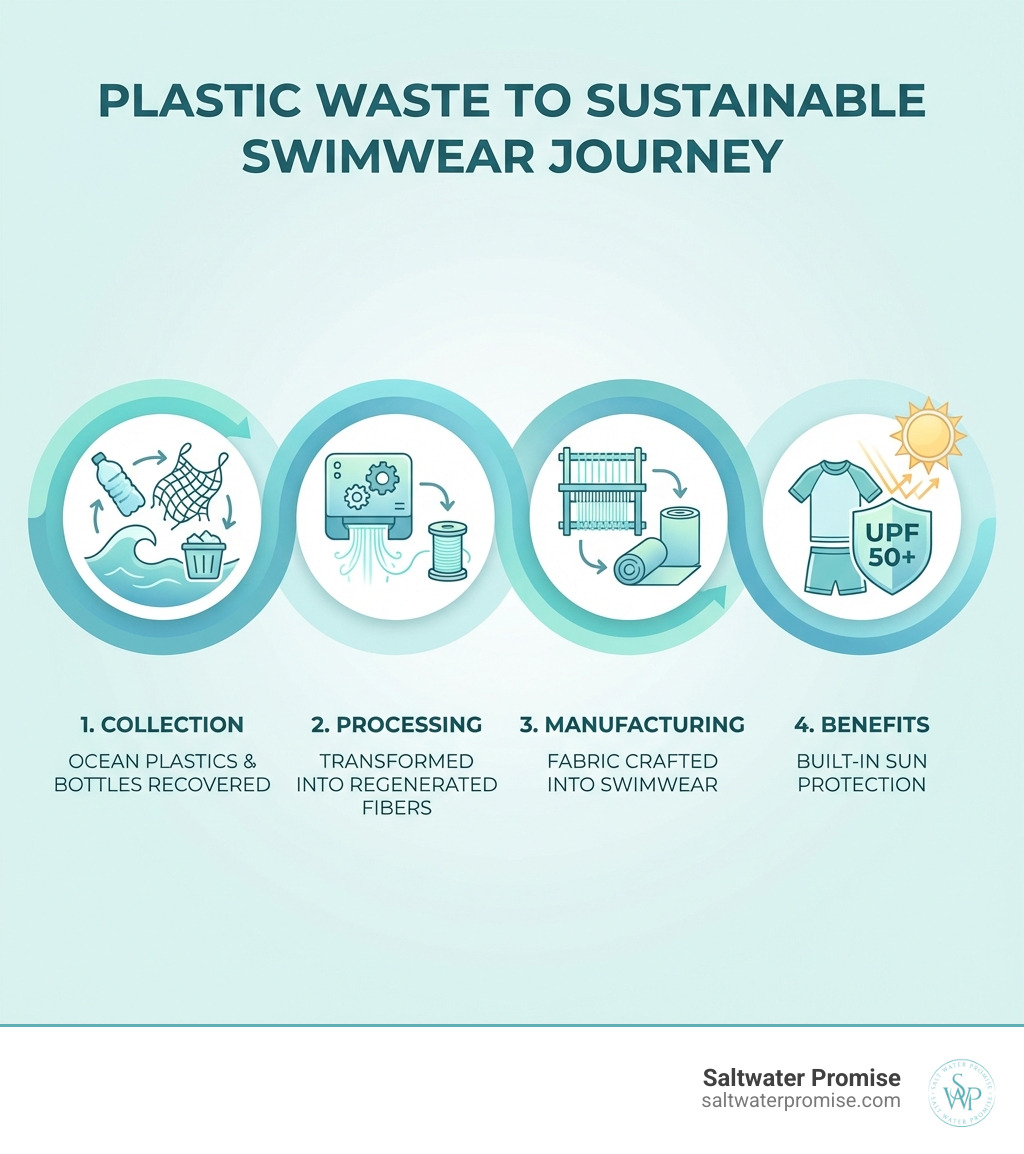
The most significant differentiator for sustainable kids swimwear lies in its materials. Traditional swimwear often relies on virgin synthetic fabrics like polyester and nylon, derived from petroleum. While these offer durability and stretch, their production is resource-intensive and contributes to fossil fuel dependence. Sustainable alternatives, however, flip this narrative, often changing waste into wonderful.
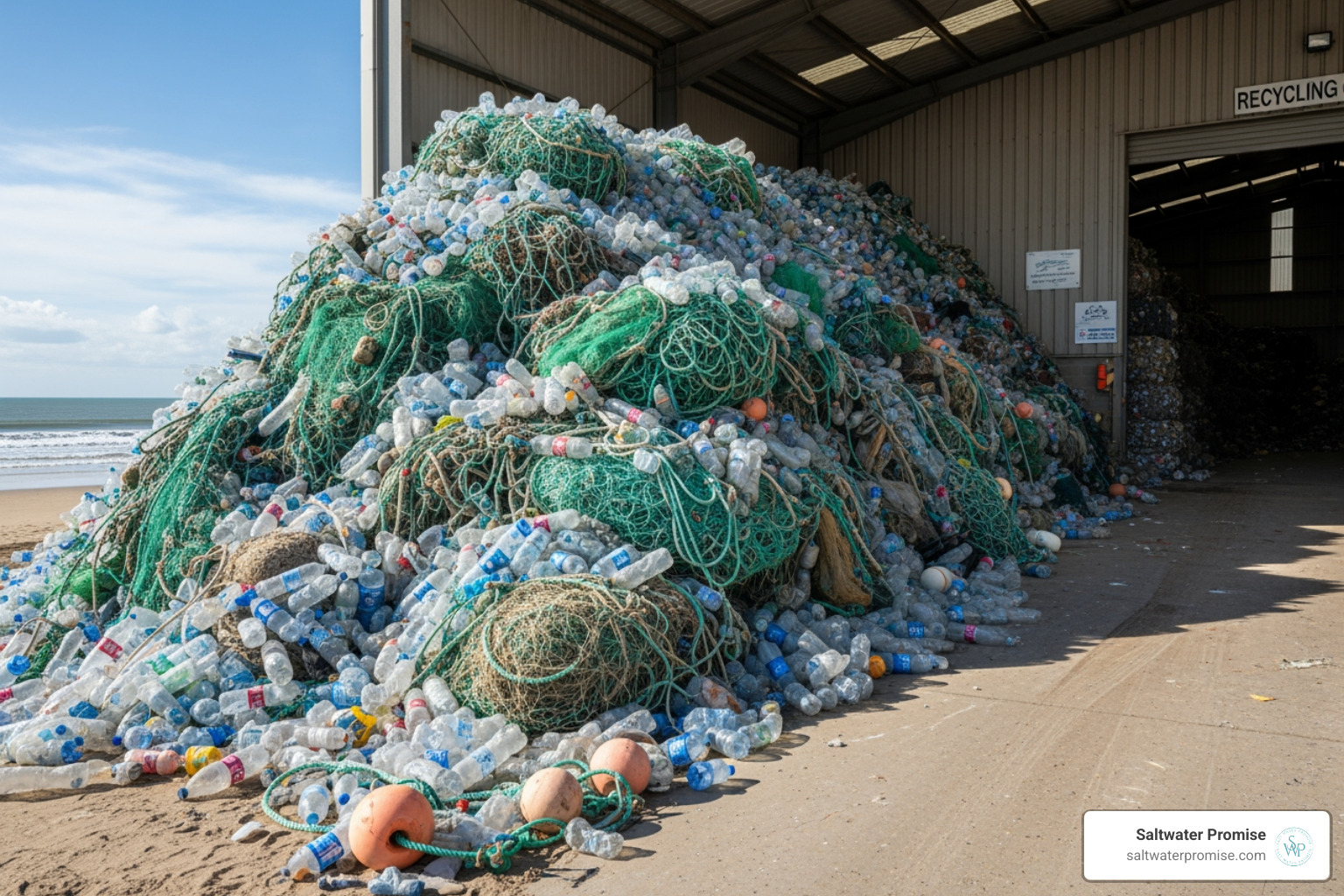
Recycled Plastic Bottles: Imagine the millions of tons of plastic waste generated each year. A significant portion ends up polluting our land and oceans. Many sustainable swimwear brands intercept these single-use plastic bottles, clean them, break them down into flakes, and then melt them into chips. These chips are then spun into yarn, which is woven into durable, high-quality fabric. This process not only reduces plastic waste but also conserves energy and reduces greenhouse gas emissions compared to producing virgin polyester, proving that fashion can indeed help clean up our planet. You can read more about the wider issue of plastic pollution on resources like Plastic pollution.
Abandoned Fishing Nets (Ghost Nets): These silent killers drift through our oceans, trapping and harming marine life for decades. Regenerated nylon, famously known by the brand name ECONYL®, is a groundbreaking material made from these recovered ghost nets, along with other nylon waste like carpet scraps. This waste is purified, depolymerized, and then regenerated into a high-quality nylon yarn that performs identically to virgin nylon. This incredible innovation directly addresses ocean pollution and provides a circular solution for nylon waste. Many brands now create eco-friendly kids’ beachwear out of this regenerated yarn and other recycled nylons.
Organic Cotton Alternatives: While most swimwear is synthetic, there’s a growing movement towards natural fibers. Some brands are pioneering organic cotton swimwear, challenging the industry’s reliance on plastics. The argument here is that even recycled plastics can be more toxic than virgin plastics and still shed microplastics. Organic cotton, on the other hand, is breathable, gentle on sensitive skin, and avoids harmful chemicals in its cultivation. For families just starting their plastic-free journey, swapping out synthetic fabrics for natural alternatives is often recommended, as synthetic fabrics are significant contributors to microplastics. Our new range of organic cotton swimwear for kids now features long-sleeved swimsuits and rash vests, offering added sun protection and peace of mind.
These materials are not just “eco-friendly”; they are often much higher quality than other swim fabrics, designed for durability and comfort, ready for new adventures. Find more about how we incorporate sustainable materials into our own designs and mission to protect our oceans by checking out our Holiday Gear.
Beyond the Fabric: Ethical and Conscious Production
Sustainability extends far beyond just what a swimsuit is made of. It encompasses the entire supply chain, ensuring that every step of the production process is as responsible and fair as possible.
Fair Wages and Safe Working Conditions: True sustainability means caring for the people who make our clothes. Ethical brands commit to fair wages, reasonable working hours, and safe, healthy environments for their factory workers. This contrasts sharply with the fast-fashion model, which often relies on exploitative labor practices in unregulated factories. Many brands highlight their commitment to better production standards by manufacturing ethically in countries with strong labor laws.
Reduced Waste and Minimal Packaging: A sustainable brand strives to minimize waste at every stage. This could mean using minimal stock policies to avoid overproduction, reducing textile waste during cutting, and opting for recyclable, compostable, or minimal packaging for their products.
Slow Fashion Principles: Instead of chasing fleeting trends, sustainable brands accept “slow fashion.” This means creating timeless, durable pieces that are built to last, resisting wear and tear, and designed to be worn season after season. It’s an antidote to the disposable nature of much of modern clothing, encouraging consumers to buy less but choose better.
Brand Transparency and Charitable Contributions: Transparency is key. Reputable sustainable brands are open about their sourcing, manufacturing processes, and environmental impact. Many also demonstrate their commitment by giving back. This might involve donating a percentage of profits to environmental causes or partnering with ocean clean-up initiatives. These brands don’t just sell swimwear; they actively participate in the solution.
The Benefits: Protecting Their Skin and Our Seas
Choosing sustainable kids swimwear is a win-win situation. It’s an investment in your child’s health and comfort, and a tangible step towards preserving the natural playgrounds they love – our beaches and oceans. We understand that parents want the best for their children and the world they grow up in. That’s why we champion choices that offer powerful advantages for both.
Superior Sun Protection for Delicate Skin
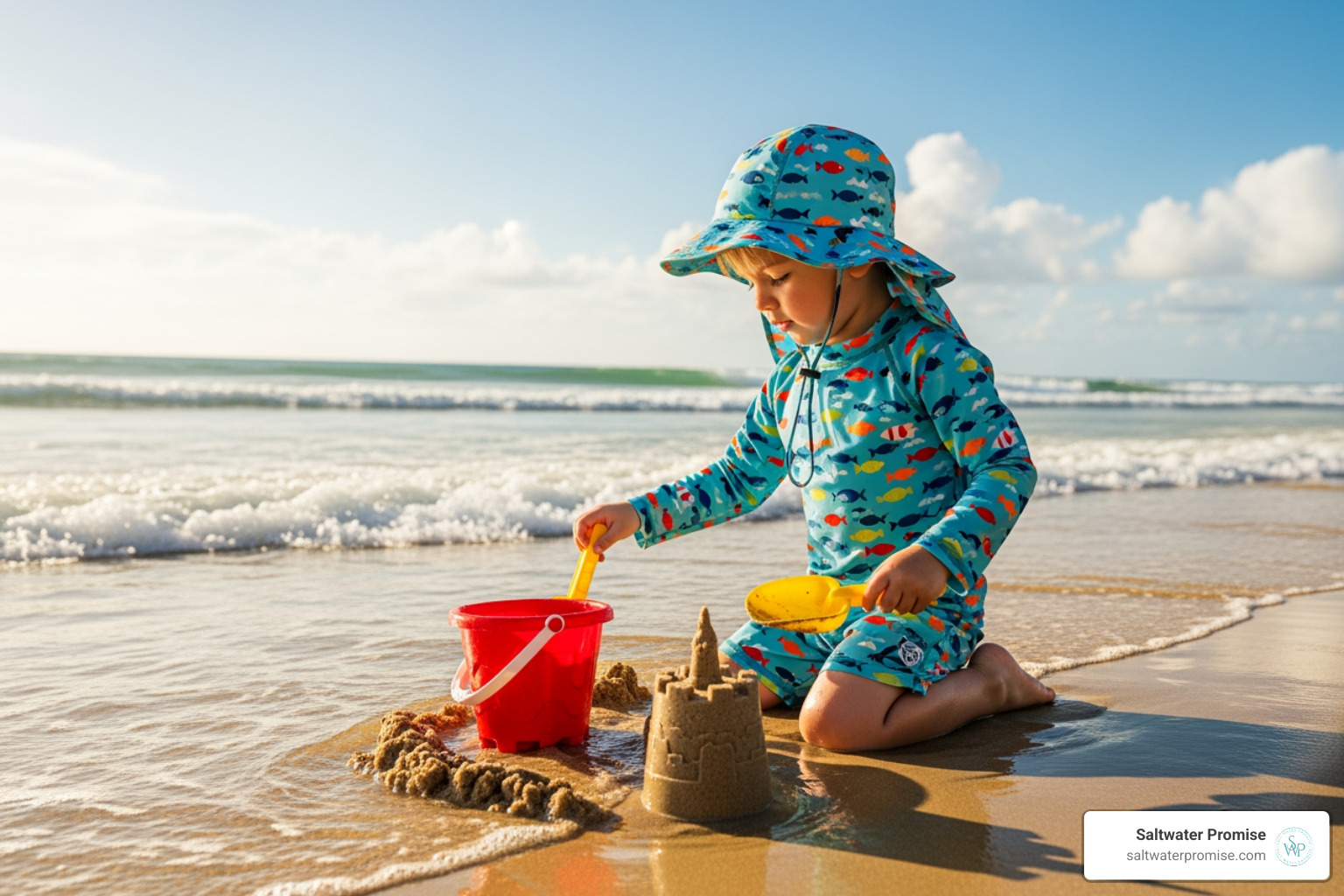
Children’s skin is far more delicate and susceptible to sun damage than adult skin. Protecting them from harmful UV rays is paramount, and sustainable kids swimwear often comes with built-in, high-level sun protection.
UPF 50+ Rating: This isn’t just a number; it’s a promise. A UPF (Ultraviolet Protection Factor) of 50+ means the fabric blocks 98% of the sun’s harmful UVA and UVB rays. This offers parents significant peace of mind, allowing children to enjoy longer, safer outdoor play. Many brands specifically highlight their UPF 50+ sun protection, often validated by reputable organizations like the British Skin Foundation. This certification ensures the fabric protects little ones while they adventure in the sun.
Long-Sleeve Designs and Rash Vests: Beyond the fabric’s inherent UPF rating, the design of the swimwear plays a crucial role. Long-sleeved swimsuits and rash vests provide extended coverage for vulnerable areas like the arms, shoulders, and back, which are often exposed to the sun. Our new range of organic cotton swimwear for kids now features long-sleeved swimsuits and rash vests, offering added sun protection and peace of mind for parents during beach or pool days. Many brands use recycled materials that are also UV resistant, providing this essential protection.
This integrated sun protection means less reliance on chemical sunscreens, which can sometimes irritate sensitive skin or wash off into the ocean, potentially impacting marine ecosystems. It’s a holistic approach to sun safety that aligns perfectly with our commitment to clean oceans and healthy families. Explore our collection of Essentials for more items designed with both practicality and purpose in mind.
Environmental Impact: Traditional vs. Sustainable Swimwear
The contrast between the environmental footprint of traditional and sustainable kids swimwear is stark, reflecting a global challenge and an opportunity for positive change.
Traditional Swimwear’s Toll: Most children’s swimwear (and adult swimwear too) is made from synthetic fabrics like polyester or nylon, even when it’s labeled as “eco-friendly” because it’s made from recycled plastic waste. While recycled plastic is better than virgin plastic, these synthetic materials still have environmental drawbacks. Their production typically requires significant energy and water. More critically, synthetic swimwear sheds microplastics with every wash and wear. These tiny plastic particles end up in our waterways and oceans, where they are ingested by marine life and can even enter the human food chain.
The Sustainable Solution: Choosing sustainable options actively combats these issues:
- Reducing Landfill and Ocean Waste: By utilizing recycled plastic bottles and regenerated fishing nets, sustainable swimwear directly diverts waste from landfills and helps clean up our oceans. The fabric is made using recycled plastic bottles, helping reduce the millions of tons of plastic waste generated each year.
- Conserving Resources: Using recycled materials reduces the demand for virgin petroleum, a finite resource. This translates to lower energy consumption and a smaller carbon footprint during manufacturing.
- Lower Microplastic Shedding (with caveats): While all synthetic fabrics can shed microplastics, some sustainable brands are working on innovative fabric structures or alternative materials like organic cotton to mitigate this. However, it’s important to acknowledge that even recycled synthetics can still shed microplastics. The goal is to minimize this impact and explore natural alternatives where possible.
- Cleaner Oceans: Beyond the materials, many sustainable brands actively contribute to ocean conservation. Whether it’s donating a percentage of profits or participating in clean-up projects, these brands put their money where their mission is, helping to protect our beaches for generations to come.
To illustrate the difference, consider this conceptual comparison:
| Feature | Virgin Nylon/Polyester Swimwear | Recycled Material Swimwear (e.g., ECONYL, rPET) |
|---|---|---|
| Material Source | Fossil fuels (petroleum) | Post-consumer/industrial waste (bottles, nets) |
| Energy Consumption | High | Significantly lower |
| Water Usage | High | Reduced |
| Waste Diversion | None (creates new waste) | High (removes existing waste) |
| Pollution (Production) | Higher carbon emissions | Lower carbon emissions |
| Microplastic Shedding | Yes (all synthetics) | Yes (all synthetics, but waste reduced) |
By choosing sustainable kids swimwear, we’re not just buying a product; we’re participating in a larger movement that champions a healthier planet for our children.
Your Checklist for Choosing the Best Sustainable Kids Swimwear
Navigating sustainable kids swimwear can feel a bit like a treasure hunt, but with the right map, you can confidently unearth high-quality, eco-friendly options that your little ones will adore. We believe in empowering you with the knowledge to make informed choices, because every purchase can be a promise kept to our oceans.
Here’s a comprehensive checklist to guide you:
- Material Composition: Prioritize recycled polyester (rPET) or regenerated nylon (ECONYL®). Organic cotton is also an excellent natural alternative.
- Sun Protection: Look for a UPF 50+ rating for superior UV protection.
- Certifications: Check for independent certifications like OEKO-TEX, GOTS (for organic cotton), or affiliations like 1% for the Planet.
- Durability: Ensure the fabric is chlorine-resistant, quick-drying, and offers four-way stretch for comfort and longevity.
- Ethical Production: Seek brands that are transparent about their manufacturing processes, worker welfare, and supply chain.
- Brand Mission: Support companies that actively contribute to ocean conservation or other environmental initiatives.
- Design & Fit: Look for comfortable designs with quality stitching, and consider high-visibility colors for safety.
Material and Sun Protection Factor (UPF)
The foundation of any good swimsuit, especially a sustainable one, lies in its material and its ability to protect from the sun.
Recycled Polyester or Regenerated Nylon: These are your go-to choices. Recycled polyester (rPET) is derived from plastic bottles, giving new life to waste. Regenerated nylon, like ECONYL®, comes from discarded fishing nets and other nylon waste, actively cleaning our oceans. Both materials are incredibly durable, quick-drying, and offer excellent performance. These fabrics are not only much higher quality than other swim fabrics but also help to make a positive impact on the world by recycling materials for new adventures.
Check for a UPF 50+ Rating: This is non-negotiable for children’s swimwear. As we discussed, UPF 50+ blocks 98% of harmful UV rays, providing superior sun protection. Many brands proudly display this rating, ensuring your child is well-protected during their aquatic adventures. It’s common for the recycled materials used to also be inherently UV resistant.
Quick-Drying Fabric and Four-Way Stretch: Beyond sustainability and sun protection, comfort and practicality are key. Quick-drying fabrics prevent chafing and discomfort, while four-way stretch ensures your child has full freedom of movement for splashing, playing, and exploring. These features also contribute to the garment’s longevity, as a comfortable suit is a suit that will be worn and loved longer. Explore our Youth collection for more options that blend comfort, style, and sustainability.
Certifications and Labels to Trust
In a market saturated with “green” claims, certifications act as your trusted guide, verifying a brand’s commitment to sustainability and ethical practices.
OEKO-TEX Certification: This is a globally recognized independent testing and certification system for textile raw materials, intermediate, and end products at all stages of production. An OEKO-TEX Standard 100 label means that every component of the product, from the fabric to the thread and accessories, has been tested for harmful substances and is therefore harmless in human ecological terms. This is particularly important for children’s sensitive skin. Finding swimwear made in an OEKO-TEX certified factory gives parents confidence in the safety of the garments. You can learn more about the standard on the OEKO-TEX overview page.
1% for the Planet: This certification indicates that a company donates 1% of its annual sales to environmental causes. It’s a clear sign that the brand is committed to putting its profits towards tangible environmental action.
GOTS (Global Organic Textile Standard): If you’re opting for organic cotton swimwear, GOTS is the gold standard. It certifies not only that the cotton is organic but also that the entire supply chain adheres to strict ecological and social criteria.
B Corp Certification: While not specific to textiles, B Corp certification signifies that a company meets the highest standards of verified social and environmental performance, public transparency, and legal accountability to balance profit and purpose. It’s a holistic indicator of a truly responsible business.
Looking for these labels provides an extra layer of assurance, helping you differentiate genuine sustainable efforts from mere “greenwashing.” Transparency in sourcing and production is paramount, and these certifications help to illuminate that path.
Durability and Design for Active Kids
Kids are adventurers, explorers, and wave chasers – and their swimwear needs to keep up! Sustainable swimwear isn’t just about eco-friendly materials; it’s also about creating garments that can withstand countless hours of play, resist the elements, and last for more than just one season. This focus on durability inherently reduces consumption and waste.
Chlorine-Resistant Fabric: If your child spends a lot of time in pools, chlorine resistance is a must. Chlorine can degrade fabrics over time, leading to fading, stretching, and a breakdown of elasticity. High-quality sustainable swimwear often incorporates materials and treatments that specifically resist chlorine’s harsh effects, ensuring the suit maintains its shape and color.
High-Visibility Colors: For safety, especially in crowded pools or beaches, high-visibility colors like bright pinks, oranges, and yellows are a smart choice. Our new range of organic cotton swimwear for kids now features long-sleeved swimsuits, rash vests, and high-visibility colours like pink and orange, offering added sun protection and peace of mind for parents during beach or pool days. These vibrant hues make it easier to spot your child, adding an extra layer of security to their aquatic fun.
Comfortable Fit and Quality Stitching: A swimsuit that chafes or restricts movement won’t be worn. Sustainable brands prioritize ergonomic designs and soft, comfortable fabrics that move with the child. Quality stitching, reinforced seams, and durable elastic ensure the garment holds up to active play and frequent washing, preventing premature wear and tear.
Designs That Grow with the Child: Some brands incorporate clever design elements, like adjustable straps or generous sizing, that allow the swimwear to fit for longer, accommodating growth spurts. This “grow-with-me” approach further extends the life of the garment, reducing the need for constant replacements. Others focus on timeless, stylish prints and designs that children will love and want to keep wearing.
By focusing on durability and thoughtful design, sustainable kids swimwear aligns with the principles of slow fashion. It’s about investing in pieces that offer long-term value, both for your child’s wardrobe and for the planet. For more insights into durable apparel that stands the test of time, check out our Adult swimwear collection.
Making It Last: How to Care for Your Eco-Friendly Swimwear
You’ve invested in beautiful, earth-friendly sustainable kids swimwear – now let’s make sure it lasts! Proper care is crucial for extending the life of any garment, but especially for swimwear, which faces harsh elements like chlorine, salt, and sun. By following a few simple steps, you can ensure your child’s swimsuit stays vibrant, retains its shape, and continues to protect them season after season, further reducing consumption and waste.
Rinse Immediately After Use: This is the golden rule! As soon as your child is done swimming, rinse their swimsuit thoroughly under cool, clean tap water. This helps to wash away chlorine, salt, sand, and sunscreen, all of which can degrade fabric fibers over time. Don’t let it sit in a wet pile; a quick rinse makes a big difference.
Hand Wash Cold with Mild Detergent: For a deeper clean, hand washing is always preferred over machine washing, as it’s gentler on delicate fibers and seams. Fill a basin with cool water, add a small amount of mild, eco-friendly detergent (avoid harsh chemicals or bleach), and gently agitate the swimsuit. Let it soak for about 15-20 minutes, then rinse until all detergent is gone.
Avoid Wringing or Twisting: Rough handling can stretch and damage the elastic fibers that give swimwear its shape. Instead of wringing, gently squeeze out excess water. You can roll the swimsuit in a clean towel and press firmly to absorb more moisture.
Dry in the Shade: Sunlight, while great for tanning, is not a friend to swimsuit fabric. The sun’s UV rays can fade colors and break down elastic, leading to a stretched-out suit. Always lay your swimwear flat or hang it in a shaded, well-ventilated area to air dry. Avoid direct sunlight and never put swimwear in a tumble dryer, as high heat can cause irreparable damage.
Store Properly: Once completely dry, store the swimsuit in a cool, dry place. Avoid cramming it into a drawer while still damp, as this can lead to mildew and odors.
By following these simple care instructions, you’re not just preserving a piece of clothing; you’re actively participating in the sustainable lifecycle of the garment. This mindful approach to care aligns perfectly with our commitment at Saltwater Promise to protecting our coastal environments. For more tips on caring for your beach attire, explore our Clothes for the beach guide.
Frequently Asked Questions about Sustainable Kids Swimwear
Parents often have thoughtful questions when considering sustainable options for their children, and we’re here to provide clear, reassuring answers.
Is swimwear made from recycled plastic safe for my child’s skin?
Yes, absolutely! When sourced from reputable brands that use certified, non-toxic processes, swimwear made from recycled plastic is very safe for your child’s skin. The materials are carefully processed and cleaned to high standards, making them safe and comfortable even for sensitive skin. Look for certifications like OEKO-TEX Standard 100, which ensures the final fabric is rigorously tested and free from harmful substances. This certification provides peace of mind that the fabric touching your child’s skin is free from chemicals that could cause irritation or worse.
Does sustainable swimwear cost more?
While the initial price tag for sustainable kids swimwear may sometimes be slightly higher than fast-fashion alternatives, view it as an investment rather than just an expense. Sustainable swimwear is typically made with higher-quality, more durable materials designed to resist fading, stretching, and damage from chlorine and sun. This means it lasts significantly longer, reducing the need for frequent replacements. Over time, a single durable sustainable swimsuit can be more cost-effective than buying multiple cheaper, less durable ones. Plus, you’re investing in ethical production, environmental responsibility, and often, superior sun protection – benefits that far outweigh a marginal price difference.
Can I recycle old swimwear?
Recycling old swimwear is a bit complex due to the blend of synthetic fibers (like nylon and spandex) that make up most swim fabrics. These blends are difficult to separate and reprocess using current conventional recycling technologies. However, the good news is that innovation is happening! Some pioneering brands are starting to offer take-back programs for their own products, aiming to create a circular lifecycle where old swimwear can be returned and recycled into new items. While these programs are not yet widespread, they represent the future. Alternatively, consider donating gently used swimwear to local charities if it’s still in good condition, or repurposing the fabric for cleaning rags, stuffing for craft projects, or even creative upcycling endeavors. The goal is always to extend the life of the garment and keep it out of landfills.
Conclusion: Wear the Wave of Change
Choosing sustainable kids swimwear is more than just a purchase; it’s a conscious decision that ripples outwards, creating positive change for your children and the planet they will inherit. By opting for pieces made from recycled materials, like those from plastic bottles and regenerated fishing nets, and ensuring they come with excellent UPF 50+ sun protection, you’re investing in quality, durability, and a cleaner, healthier future for our oceans.
At Saltwater Promise, we believe that every choice we make has an impact. We’re committed to creating eco-conscious beach apparel for women, men, and children that blends effortless coastal style with purpose. Our designs are inspired by the rhythms of the ocean, carrying a deeper message of conservation and care. When you choose sustainable options, you’re not just buying swimwear; you’re making a promise to protect our oceans, preserve marine life, and leave our beaches better than we found them. It’s a lifestyle rooted in respect for nature, driven by purpose, and worn with pride.
Let’s inspire the next generation to be stewards of the sea. Together, we can make waves of change, one sustainable swimsuit at a time.
Wear the wave. Be the change.
Shop our full collection of eco-conscious beach apparel.


