


From Sand to Sparkle: Everything You Need for a Successful Beach Clean-Up
Why Our Beaches Need You
Beach clean-up initiatives are organized efforts where volunteers come together to remove litter and debris from coastlines, rivers, and waterways. These events serve a dual purpose: they immediately protect marine ecosystems while collecting valuable data that drives long-term policy change.
Quick Overview: What Beach Clean-up Initiatives Accomplish
- Protect marine life from ingestion and mess in plastic debris
- Collect critical data on pollution sources to inform prevention strategies
- Raise public awareness about the impact of single-use plastics
- Build community around shared environmental values
- Create cleaner spaces for everyone to enjoy
The numbers tell a powerful story. Over three decades, more than 12 million volunteers have collected over 220 million pounds of trash through coordinated cleanup efforts. In just one year, a single organization mobilized 4,145 volunteers across 348 cleanups, removing 162,005 debris items weighing over 7,500 pounds.
But here’s what makes these initiatives truly transformative: they’re not just about picking up trash. Every piece of debris collected becomes a data point. Every cleanup becomes a classroom. And every volunteer becomes an advocate for systemic change.
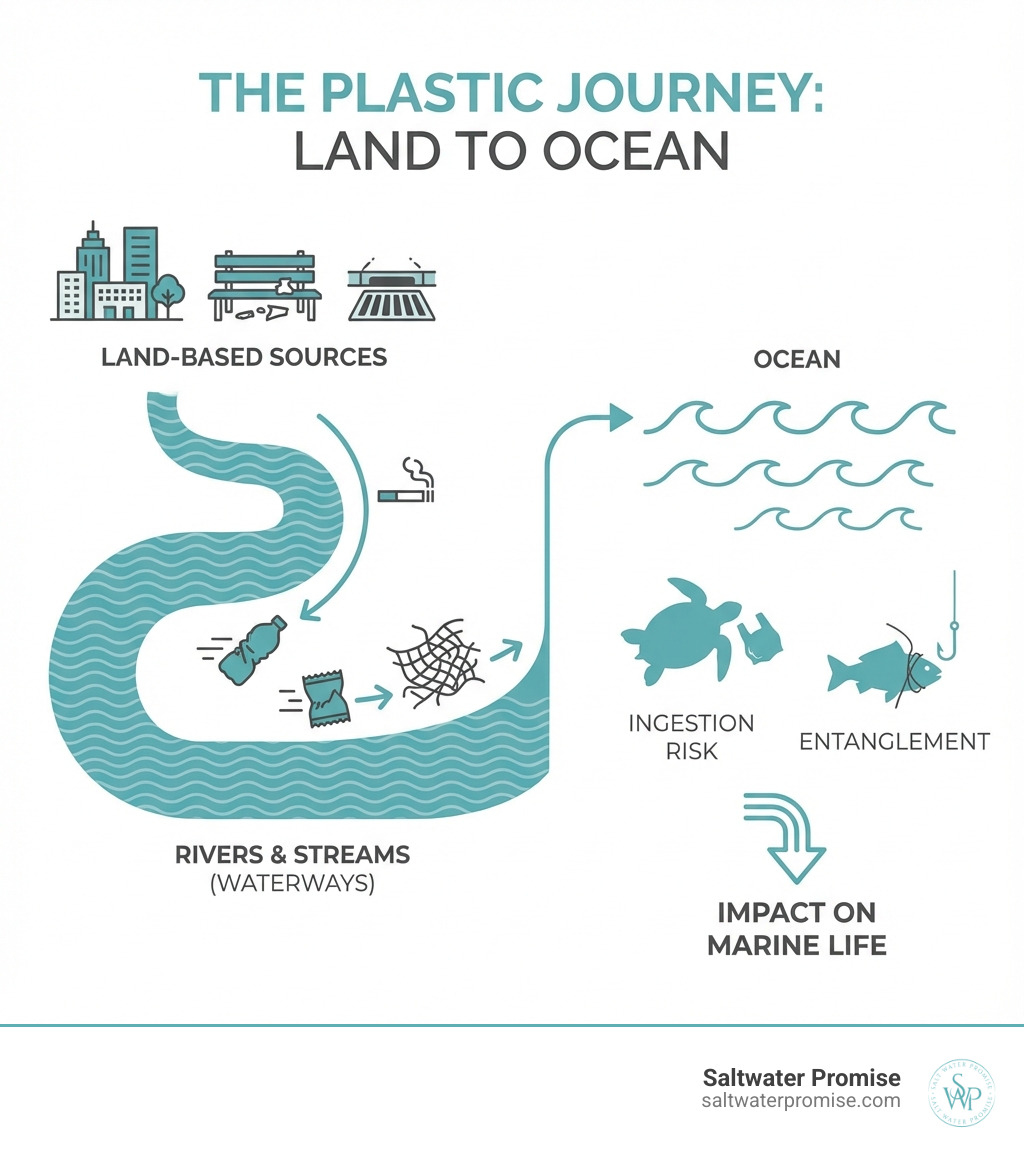
Whether you live steps from the shore or hundreds of miles inland, you can make a difference. All waterways eventually lead to the ocean, which means your local stream, lake, or park matters just as much as any beach.
This guide will walk you through everything you need to organize a successful beach cleanup in your community—from securing permits to collecting data that drives real change.
The “Why” Behind the Cleanup: Understanding the Impact
At Saltwater Promise, we believe that understanding the “why” is the first step toward meaningful action. Beach cleanups are more than just tidying up; they are crucial interventions with far-reaching goals and benefits for our planet and ourselves. Our commitment to protecting coastlines, oceans, and marine life drives us to support and empower these vital efforts.

The primary goals of organizing beach clean-up initiatives include:
- Protecting Marine Life and Preserving Biodiversity: Plastic waste poses a significant threat to marine animals. Sea turtles and seabirds, for example, frequently ingest plastic, mistaking it for food, leading to internal injuries, blockages, and starvation. Ghost fishing gear (lost or abandoned nets and lines) can entangle marine life, causing injury, drowning, or restricting movement, making it difficult for animals to feed or escape predators. Plastic has been found in 62% of all seabirds and 100% of sea turtle species. Healthy beaches and coastal areas are vital habitats for diverse plant and animal species, including nesting sea turtles and various bird species. By removing debris, we help preserve these critical ecosystems.
- Protecting Human Health: Polluted beaches can harbor harmful bacteria and microplastics, which can pose health risks to visitors. Microplastics, resulting from the breakdown of larger plastic items, can enter the food chain and eventually be ingested by humans through seafood consumption.
- Raising Public Awareness and Education: Cleanups are powerful educational tools. They highlight the sheer volume and types of litter polluting our environment, fostering a deeper understanding of the marine debris problem. Participants become more aware of the impact of waste-related pollution and are often inspired to adopt more sustainable practices in their daily lives.
- Maintaining Aesthetic and Tourism Value: Clean beaches are beautiful beaches. They attract tourists and locals alike, supporting coastal economies and providing serene spaces for recreation. Litter-strewn shores deter visitors and diminish the natural beauty of our coastlines.
- Collecting Data for Research and Policy: Every item collected during a cleanup can be a data point. This information helps us identify the most common and troublesome debris items, understand pollution sources, and work towards effective solutions. This data is invaluable for researchers and policymakers advocating for plastic reduction laws and improved waste management.
The common types of debris we find—cigarette butts, plastic bottles, food wrappers, plastic bottle caps, plastic straws, fishing line, and balloons—tell a story. They signify the pervasive problem of land-based pollution, with much of the plastic in our oceans originating from our everyday lives. Balloons, for instance, are frequently found and can be fatal to whales and sea turtles by clogging their digestive tracts. Cigarette butts, often overlooked, take at least one year to break down. These items underscore the urgent need to address single-use plastics and improve waste infrastructure.
At Saltwater Promise, we believe education fuels change, and that small, consistent actions can lead to powerful collective impact. To learn more about our ongoing efforts, explore our mission and commitment to conservation.
More info about Saltwater Promise’s conservation efforts
Your Step-by-Step Guide to Organizing Beach Clean-up Initiatives
Organizing a beach cleanup might seem daunting, but with a clear plan, it’s an incredibly rewarding experience. We’re here to help you turn your passion for clean oceans into impactful action.

Step 1: Laying the Groundwork
The first steps involve careful planning to ensure your beach clean-up initiatives are effective and safe.
- Pick a Location: While “beach” is in the name, cleanups are valuable wherever waterways are found. Consider coastal beaches, river mouths, estuaries, lake shores, or even local parks, as all waterways eventually lead to the ocean. Visiting the site in advance allows you to assess accessibility, potential hazards, and where debris tends to accumulate.
- Get Permission: Always contact local authorities, such as city parks departments or landowners, to obtain necessary permissions. If your chosen site is within a national park, the National Park Service (NPS) website can provide guidance and information on volunteer opportunities and environmental conservation efforts within their managed areas.
National Park Service (NPS) - Set a Date: Choose a date and time that maximizes participation. Many organizations host annual cleanups, with the International Coastal Cleanup Day (the third Saturday of September) being a popular choice globally.
- Recruit Volunteers: A successful cleanup thrives on community involvement. Reach out to local community groups, schools, universities, businesses, and environmental clubs. Create event pages on social media or local community boards. Anyone can participate—volunteers of all ages, community groups, clubs, businesses, and even elected officials can contribute!
find a local beach cleanup with Saltwater Promise
Step 2: Gathering Your Supplies
Having the right gear ensures a smooth and effective cleanup.
- Essential Gear:
- Reusable Gloves: Sturdy, reusable gardening gloves are preferable to single-use latex gloves, minimizing additional waste.
- Trash Bags: Heavy-duty trash bags are essential. Consider using separate bags for recyclables if your waste disposal plan allows.
- Buckets or Reusable Bags: These can be great for collecting smaller debris and reducing plastic bag usage.
- Data Collection Tools: Paper data cards or mobile apps (discussed below) are crucial for recording what you find.
- First-Aid Kit: Always have one on hand for minor injuries.
- Water: Encourage volunteers to bring their own reusable water bottles. Provide a refill station if possible.
- Hand Sanitizer: For cleaning hands after handling debris.
- Sunscreen and Hats: Protect against sun exposure.
- Sustainable Event Tips: We advocate for sustainability in all aspects. Reduce waste generated by the event itself by encouraging volunteers to bring their own reusable water bottles and mugs, providing unpackaged snacks, and using reusable signage.
5 Sustainable Shopping Habits to Adopt Today
Step 3: A Safe and Successful Cleanup Day
Safety is paramount for beach clean-up initiatives. A well-briefed team is a safe and effective team.
- Volunteer Briefing: Before starting, gather all volunteers for a briefing. Clearly explain the cleanup area, safety guidelines, and the data collection process.
- Safety Guidelines:
- Watch for Sharp Objects: Instruct volunteers to be careful when handling debris, especially broken glass or rusted metal.
- Hazardous Materials: Advise against touching potentially hazardous materials (e.g., medical waste, chemicals). Mark their location and notify authorities.
- Unstable Dunes and Tides: Be aware of the environment. Avoid unstable dunes and keep an eye on changing tides.
- Buddy System: Encourage volunteers to work in pairs.
- Handling Wildlife: If you encounter any injured, entangled, or deceased wildlife, do not touch them. Report your findings on your data form or app, but leave handling to experts.
contact your local Fish and Wildlife Service office - Waste Sorting and Proper Disposal: Set up designated bins for compost, recycling, and landfill waste if possible. This minimizes what goes to landfills and maximizes recycling efforts. Coordinate with your local parks agency or waste management services beforehand to ensure proper disposal of collected trash.
- Thank Volunteers: Express sincere gratitude to all participants. Their time and effort are invaluable.
More Than Just Trash: The Power of Data Collection
While removing litter is the immediate benefit, the true power of beach clean-up initiatives lies in citizen science. Every piece of data collected contributes to a larger understanding of marine debris, helping us identify pollution sources and drive essential policy changes.
- Citizen Science: When volunteers record the types and quantities of debris they find, they become citizen scientists. This collective effort generates valuable insights into marine debris, providing researchers and policymakers with critical information.
- Identifying Pollution Sources: By consistently tracking what’s found, we can pinpoint common items and, by extension, their likely sources. This data helps us understand whether the pollution is primarily from land-based activities, fishing, or other origins.
- Driving Policy Change: The evidence gathered from cleanups is a powerful tool for advocacy. It supports the need for plastic reduction laws, better waste management, and sustainable practices. Surfrider Foundation, for example, uses cleanup data to help pass plastic reduction laws and policies. Ocean Wise also highlights that the data collected by volunteers is made available to researchers and policymakers.
- How Data is Used: The information informs educational programs, inspires targeted pollution prevention campaigns, and empowers advocates to push for legislative changes that address the root causes of pollution.
Learn about Saltwater Promise’s data-driven initiatives
Popular Tools for Your Beach Clean-up Initiatives
Making data collection easy and accessible is key to maximizing its impact.
- Data Collection Methods: You can use traditional paper data cards, which are often provided by organizing bodies like Ocean Conservancy or Surfrider Foundation. Alternatively, mobile apps offer a streamlined digital approach.
- Recommended Tracking Tools:
- Clean Swell® App: Developed by Ocean Conservancy, this app allows you to record every item you collect, contributing to their global database.
- Marine Debris Tracker App: A partnership between NOAA and the University of Georgia, this app also allows users to log debris, providing valuable information for marine debris research.
- Community Data Portals: Organizations like Surfrider Foundation Europe have platforms for inputting cleanup data, especially for cleanups outside the US or Canada.
How Data Creates Lasting Change
The data you collect isn’t just numbers; it’s a catalyst for meaningful, lasting change.
- Case Studies: The Great British Beach Clean, for instance, saw a doubling of volunteer numbers in one year, and the data collected contributed to government action on single-use plastics. This demonstrates how collective action and data can lead to policy shifts.
- Empowering Communities: Local data empowers communities to advocate for solutions custom to their specific needs. Understanding the unique pollution challenges of a particular area allows for more effective local initiatives.
Why Shopping Local Is Important: Supporting Small Businesses
Global Inspiration and Key Resources
Beach clean-up initiatives are a global phenomenon, demonstrating that communities worldwide are uniting to protect our shared oceans. We draw inspiration from these successful efforts and encourage you to explore the many resources available.
Inspiring Beach Clean-up Initiatives Around the World
Here are just a few examples of impactful beach clean-up initiatives that illustrate the power of collective action:
- Versova Beach Clean-up (India): Spearheaded by lawyer Afroz Shah, this monumental effort saw volunteers remove nearly 10 million kilograms of waste from Versova Beach over three years. It highlights the profound impact a dedicated community can have.
- International Coastal Cleanup (ICC): Hosted annually by the Ocean Conservancy, the ICC is a global movement. In 2018, over 1 million volunteers came together worldwide to pick up approximately 23 million pounds of trash in just one day. For over three decades, this initiative has united millions of volunteers.
- Great British Beach Clean (United Kingdom): The 2018 event was the UK’s biggest, with 14,000 volunteers collecting 8,550 kgs (18,849 lbs) of litter from nearly 500 beaches. The significant increase in participation contributed to legislative changes regarding single-use plastics.
- Puri Beach Clean-up (India): A mega cleanliness drive on Puri beach involved over 10,000 volunteers from diverse self-help groups, fishermen communities, vendors, and government officials, showcasing broad community engagement.
- Ocean Wise Shoreline Cleanup (Canada & US): This program boasts over 36,000 participants, 1,600+ completed cleanups, and 67,000+ kilograms of trash removed across 1,400+ kilometers of shoreline. It began with a single beach cleanup in 1994 and grew into a national and international conservation program.
- Surfrider Foundation Cleanups: For 40 years, Surfrider Foundation has mobilized volunteers across US coasts, using collected data to advocate for plastic reduction policies. Their Ocean Initiatives project, in partnership with Surfrider Foundation Europe, raises awareness about marine litter through organized collections at beaches, lakes, rivers, and seabeds.
These stories remind us that every cleanup, big or small, contributes to a healthier planet. We encourage you to explore these organizations and their work:
- Ocean Conservancy
- Surfrider Foundation
- NOAA’s Marine Debris Program
- United Nations Environment Programme (UNEP) Clean Seas campaign
- Ocean Initiatives (Surfrider Foundation Europe)
- Clean Beaches Coalition
- Beachapedia
Acknowledging the Limitations
While beach clean-up initiatives are incredibly valuable, it’s important to acknowledge their limitations. They are often a temporary solution, addressing the symptoms of pollution rather than the root causes. Cleanups alone cannot solve the global marine debris crisis.
- Temporary Solution: Without addressing the source of pollution, beaches will continue to accumulate debris. This means cleanups must be complemented by broader, systemic solutions.
- Addressing Symptoms, Not Causes: Cleanups remove existing trash, but they don’t stop new trash from entering the environment. The focus must shift towards prevention.
- Importance of Prevention: This includes reducing our reliance on single-use plastics, improving waste management infrastructure globally, promoting recycling, and advocating for more sustainable production and consumption practices.
- Need for Systemic Change: True, lasting impact requires a commitment from individuals, businesses, and governments to implement policies that reduce plastic production, improve waste disposal, and foster a circular economy.
Frequently Asked Questions about Beach Cleanups
We often get questions about beach clean-up initiatives, and we’re happy to provide answers to help clarify and encourage participation.
Who can participate in a beach cleanup?
Everyone! Beach clean-up initiatives are designed for broad community involvement. Volunteers of all ages are welcome, making them excellent activities for families, schools, youth groups, and community organizations. Businesses often participate as part of corporate social responsibility, and even tourists can join local efforts. The more hands, the lighter the work and the greater the impact!
What are the most common items found?
Based on years of data collected globally, the most common items found during beach clean-up initiatives consistently include:
- Cigarette butts
- Plastic beverage bottles
- Food wrappers (candy, chips, etc.)
- Plastic bottle caps
- Plastic straws and stirrers
- Fishing gear (lines, nets, lures)
- Foam pieces
- Plastic bags
- Glass bottles
- Aluminum cans
These items highlight the pervasive issue of single-use plastics and improper waste disposal.
How can I help if I don’t live near a beach?
You absolutely can help, even if you’re hundreds of miles from the coast! As we often say, all waterways lead to the ocean.
- Clean Up Local Waterways: Organize or join cleanups along local rivers, streams, lakes, and parks. The trash found inland often travels through these channels to the sea.
- Reduce Your Plastic Consumption: Focus on reducing your personal plastic footprint. Choose reusable alternatives for bags, bottles, cups, and food containers.
- Support Sustainable Practices: Advocate for better waste management in your community and support brands and policies that prioritize environmental protection.
- Educate Others: Share what you’ve learned about marine debris and inspire friends and family to make more eco-conscious choices.
Conclusion: Be the Change Our Coastlines Need
Beach clean-up initiatives are a testament to the power of collective action. From removing millions of pounds of debris to collecting vital data that shapes policy, these efforts demonstrate that every single person can make a difference. We’ve seen how a single cleanup can spark awareness, how data can drive legislation, and how communities can unite for a common cause.
At Saltwater Promise, our commitment to clean beaches, healthy oceans, and thriving marine ecosystems is at the heart of everything we do. We believe that wearing the wave means being the change—making a promise to protect our oceans, preserve marine life, and leave our beaches better than we found them. Your participation in beach clean-up initiatives is a powerful step in fulfilling that promise. Join us in making a difference, one piece of litter at a time.


