


Shade & Style: Discovering the Ideal Baby Sun Hat
Why Baby Sun Hats Are Essential for Every Beach Day
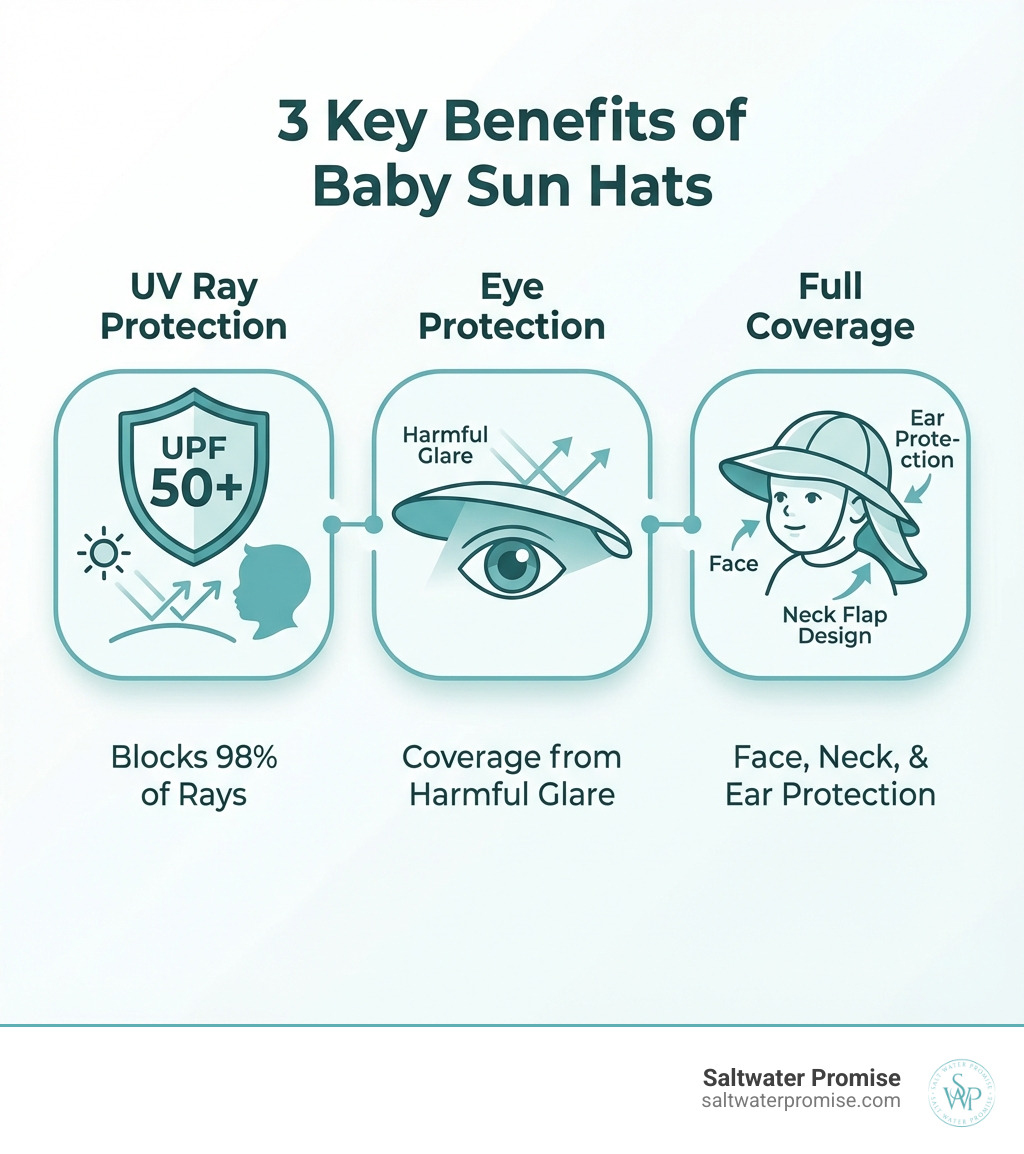
Baby sun hats protect your little one’s delicate skin from harmful UV rays while keeping them comfortable during outdoor adventures. When searching for the best option, prioritize these must-have features:
Top Features to Look For:
- UPF 50+ protection – blocks 98% of UV rays, the highest rating available
- Wide brim (2+ inches) – shields face, eyes, and ears from direct sun
- Neck coverage – protects the vulnerable back of the neck
- Adjustable chin strap – keeps hat secure during active play
- Breathable, quick-dry fabric – ensures comfort in heat and humidity
- Soft materials – gentle on sensitive baby skin
Your baby’s skin is up to five times thinner than yours, making it incredibly vulnerable to sun damage. Even on cloudy days, up to 80% of UV rays can penetrate through, putting your little one at risk for sunburn and long-term skin damage. A quality sun hat provides a physical barrier that works immediately—no waiting time like sunscreen, no chemicals, and no reapplication needed.
At Salt Water Promise, we’ve spent years helping coastal families protect their children while they explore beaches and create memories by the water, and we understand that the right Baby sun hats combine safety, comfort, and style for your littlest beach lovers. In this guide, we’ll walk you through everything you need to know to find the perfect sun hat for your baby’s next outdoor adventure.
The Ultimate Shield: Why Sun Hats are Non-Negotiable for Babies
When we talk about protecting our precious little ones, especially when they’re enjoying the sun-drenched beauty of our coastlines, baby sun hats are truly non-negotiable. Their delicate infant skin is remarkably thin, making it far more susceptible to sunburn and long-term damage from ultraviolet (UV) radiation than adult skin. We know that even short periods of sun exposure can lead to painful burns, which is why a physical barrier like a sun hat is our first line of defense.
The risks associated with UV radiation exposure for babies extend beyond immediate sunburn. Early sun exposure can contribute to future skin issues, including an increased risk of skin cancer later in life. This is why organizations like The Skin Cancer Foundation recommend sun protective clothing as a crucial part of a comprehensive sun safety strategy. You can find detailed sun protective clothing guidelines to ensure your baby is always well-protected.
Beyond skin protection, a good baby sun hat also offers essential eye protection from harsh glare. A baby’s eyes are still developing and are highly sensitive to bright sunlight. The wide brim of a sun hat helps shield their eyes, making their outdoor adventures more comfortable and safer. Think about those sparkling ocean reflections – while beautiful, they can be intense for tiny eyes!
Finally, sun hats play a vital role in preventing overheating. While we want our babies to enjoy the warmth of the sun, we also need to ensure they stay cool. Hats made from breathable fabrics help regulate temperature, allowing air to circulate around their head while keeping direct sun off their scalp. This combination of protection and comfort allows our little explorers to enjoy the wonders of the beach and beyond, safely and happily.
A Buyer’s Guide: Key Features of the Best Baby Sun Hats
Choosing the right baby sun hat can feel like a big decision, but focusing on a few key features will help you pick the perfect one for your little one. We’ve distilled the most important elements to ensure your baby gets the best protection and comfort.
Understanding UPF: The Gold Standard in Sun Protection
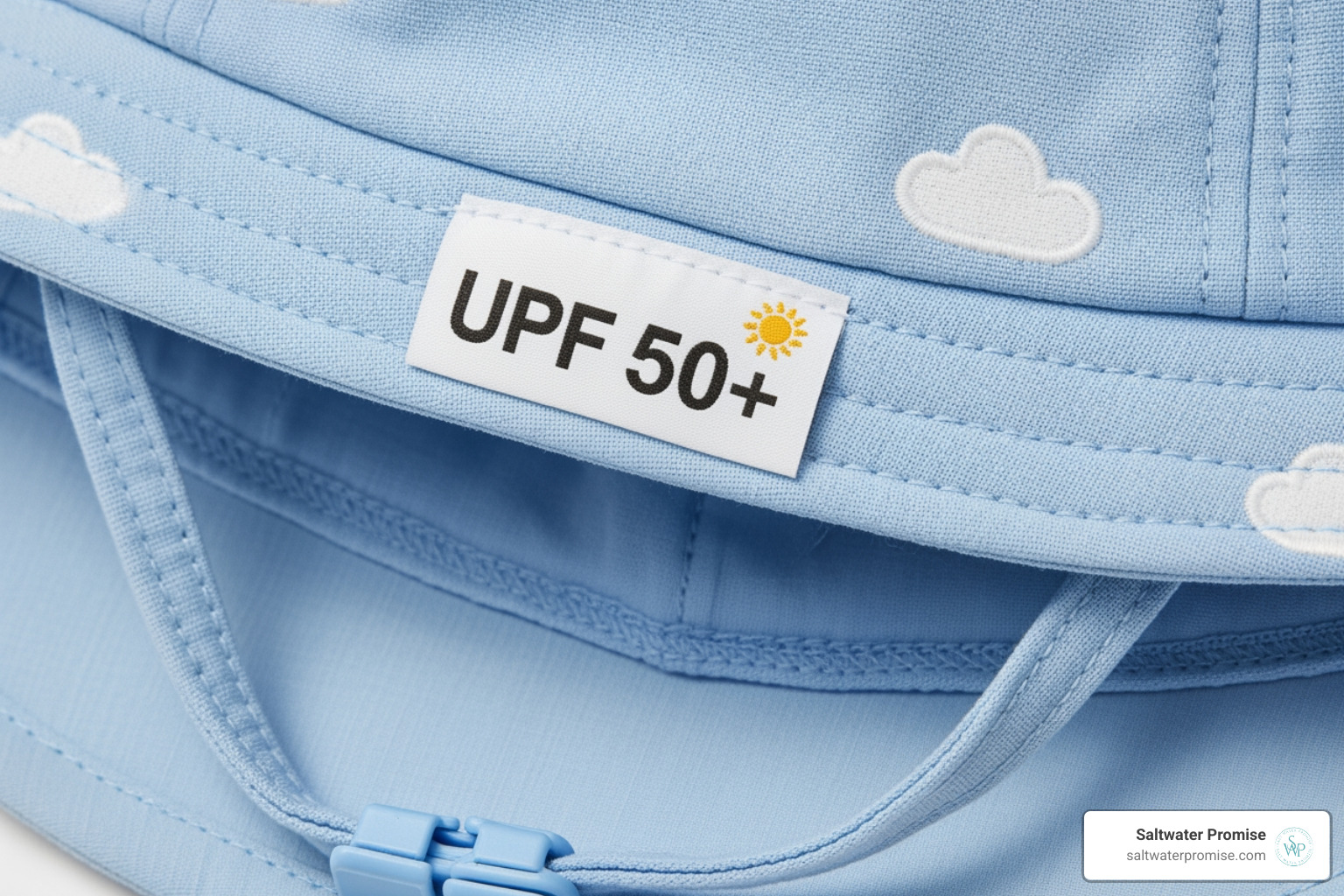
When we talk about sun protection in fabrics, we look for something called the Ultraviolet Protection Factor, or UPF. This isn’t just a marketing term; it’s a measurable standard that tells us how much UV radiation a fabric blocks. For baby sun hats, we always recommend looking for a UPF 50+ rating.
What does UPF 50+ mean? It’s the highest sun protective rating achievable for fabrics. This means that only 1/50th, or less, of the sun’s UV rays are able to pass through the material. In simpler terms, a UPF 50+ hat blocks at least 98% of harmful UV radiation. This level of protection is crucial because, as we’ve discussed, a baby’s skin is incredibly delicate and vulnerable. All of our baby hats at Salt Water Promise, and those we recommend, offer UPF 50+ sun protection to keep their face, eyes, and neck shaded from the sun. The fabrics used in these hats are rigorously tested to ensure they meet this gold standard for each and every style. It’s truly the best defense we can offer our little ones against the sun’s powerful rays.
Fit, Straps, and Brims: Designing for Safety and Comfort
Once you’ve got UPF 50+ covered, the next vital considerations are how the hat fits, stays on, and provides shade. These design elements are what make a baby sun hat practical and safe for active little ones.
First, let’s talk about the brim. A wide brim offers comprehensive coverage, shading your baby’s face, ears, and the back of their neck. We look for brims that are at least 2 inches wide, providing that essential 360-degree protection. For even more coverage, many excellent sun hats incorporate neck flaps or capes, which are fantastic for beach days or any extended time outdoors where the sun’s angle might change. These soft neck capes are often designed to be stroller and child carrier friendly, preventing the hat from being pushed off when your baby leans back.
Next, consider the chin strap. A secure chin strap is absolutely essential to keep the hat in place, especially when your baby is playing, crawling, or even just enjoying a breezy day by the ocean. But safety is paramount, which is why we advocate for adjustable chin straps that also feature a breakaway safety clasp. These “easy release chinstraps” are strong enough to prevent your baby from easily pulling the hat off, but they will break away if pulled with significant force, reducing any potential choking hazard. This thoughtful design ensures the hat stays put during their adventures while prioritizing their safety.
Finally, think about the hat’s lifespan. Babies grow incredibly fast, don’t they? That’s why many infant hats are designed with expandable sizing. These clever features allow the hat to adjust and grow with your baby, ensuring a comfortable fit for longer periods. This means you might get an extra season or two out of their favorite sun hat, which is a win for both your wallet and the environment!
Material Matters: Choosing Breathable and Durable Fabrics
The fabric of a baby sun hat is just as important as its design. We want materials that are gentle on sensitive baby skin, durable enough to withstand countless adventures, and practical for coastal living.
We often recommend hats crafted with lightweight, performance fabrics like quick-drying polyester blends. These materials are incredibly breathable, allowing air to circulate and helping to prevent your baby from overheating on warm days. The quick-drying aspect is a huge advantage for water activities; whether it’s a splash in the ocean or a pool day, these hats dry rapidly, keeping your baby comfortable and preventing chafing. Many of these fabrics are also salt water and chlorine resistant, making them perfect companions for all aquatic fun.
For those who prefer natural fibers, soft organic cotton is another excellent choice. It’s gentle, breathable, and often GOTS (Global Organic Textile Standard) certified, assuring you of its eco-friendly production. At Salt Water Promise, our commitment to ocean preservation extends to the materials we choose, which is why we also value hats made from recycled materials. You’ll find options crafted from 100% recycled and bluesign® certified lightweight polyester, reflecting our dedication to eco-conscious choices. These materials are not only kind to the planet but also soft on sensitive baby skin, ensuring comfort without compromise.
The best materials for baby sun hats strike a balance between protection, comfort, and durability, ensuring they can stand up to the rigors of babyhood and countless sun-filled memories.
A Hat for Every Outing: Types of Baby Sun Hats
Just like every adventure is unique, so too are the types of baby sun hats available. Each style offers different benefits, making some better suited for certain activities than others. Let’s explore the most popular options to help you decide which is best for your little one.
| Hat Type | Brim Coverage | Neck Protection | Best For (Activity) |
|---|---|---|---|
| Classic Bucket Hat | 360-degree | Moderate | Everyday play, park visits, casual outings |
| Legionnaire Hat | Front only | Excellent (cape) | Beach days, pool time, hiking, intense sun exposure |
| Flap Hat | Front only | Good (flap) | Active toddlers, casual wear, light play |
The All-Rounder: Classic Bucket Hats
The classic bucket hat is a staple for a reason – it’s the ultimate all-rounder in baby sun hats. These hats feature a 360-degree brim that provides consistent shade for your baby’s face, ears, and neck. They are incredibly versatile, making them perfect for everyday play in the backyard, casual park visits, or strolling around town.
Their simple, circular design means they often pack down easily and are comfortable for babies who might not like anything too restrictive. While the brim offers good general coverage, it’s worth noting that the neck protection, while present, might not be as extensive as a dedicated legionnaire style, especially when the sun is low in the sky. However, for most casual outdoor activities, a well-fitting bucket hat is a fantastic choice, offering reliable protection and a universally adorable style.
The Guardian: Protective Legionnaire Hats
When maximum sun coverage is your top priority, especially for those long days by the water or out on the trails, the legionnaire hat is your baby’s best friend. This style is designed with an extended neck cape that provides unparalleled protection for the vulnerable back of the neck, which is often missed by other hat types.
Legionnaire hats typically feature a front brim to shield the face and eyes, similar to a baseball cap, but the real star is that protective neck flap. This design makes them ideal for beach days, pool time, or even hiking adventures where your baby might be in a carrier facing forward. For example, a great illustration of this style would feature a flat bill to shield the face, a neck cover for added protection, and adjustable straps for a custom fit. We often recommend these hats for activities with intense sun exposure, giving you peace of mind that your baby’s delicate skin is fully guarded.
The Active Choice: Flap Hats and Caps
For our more active little adventurers, or when you need something that combines a bit of casual style with good sun protection, flap hats and traditional caps with added neck flaps are excellent choices. While a standard baseball cap might only offer a front-facing brim, a “flap hat” incorporates a protective neck flap similar to a legionnaire, but often with a shorter or more flexible front brim, or sometimes even a full 360-degree brim with the added flap.
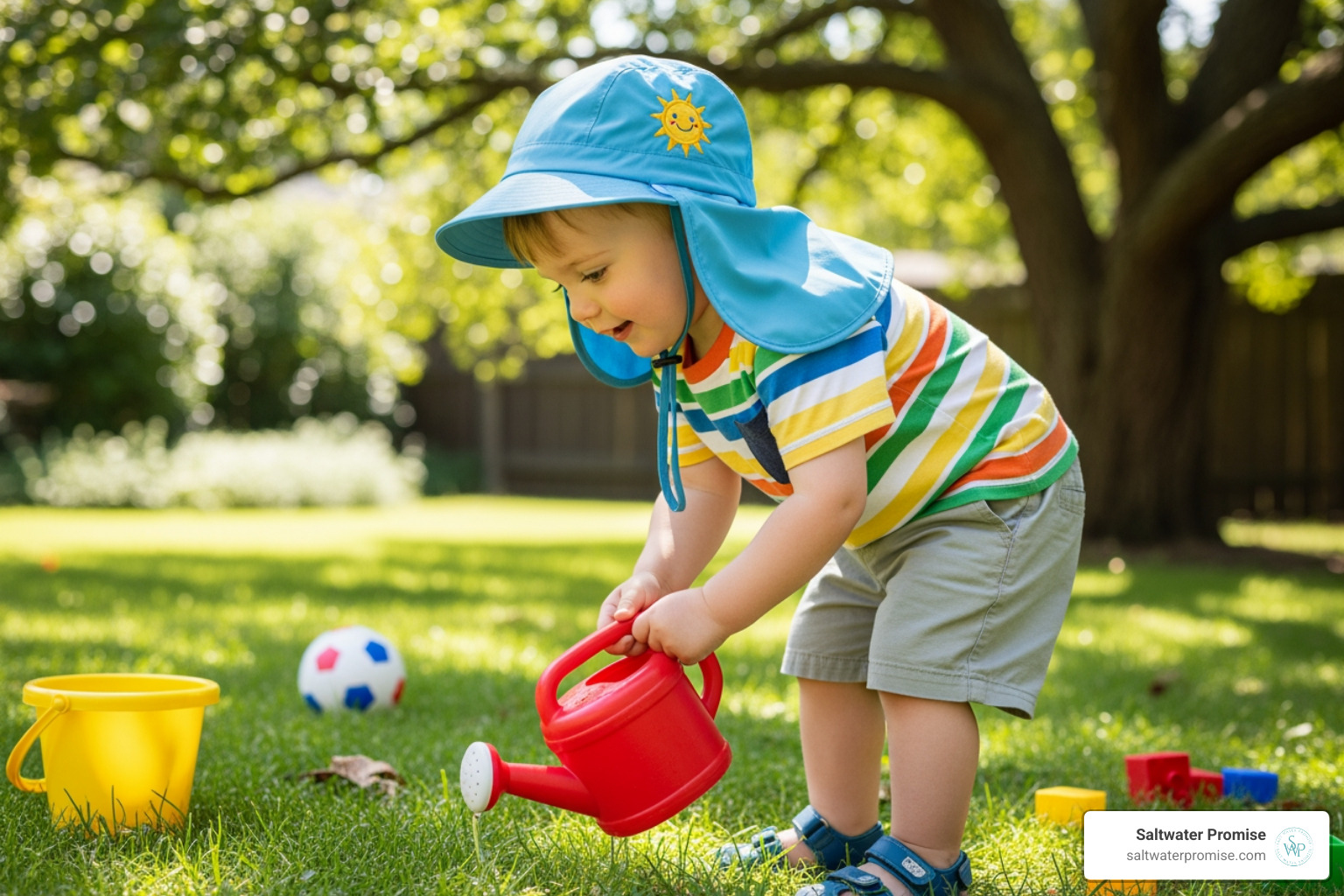
This style is fantastic for active toddlers who are constantly on the move. The front brim helps keep the sun out of their eyes, while the neck protection flap ensures their neck is covered as they explore. They are a great choice for casual wear and light play where a full, rigid brim might feel a bit cumbersome. While they offer less comprehensive coverage than some wide-brimmed options, the combination of a front brim and neck flap provides targeted protection where it’s most needed for busy little ones.
Practical Pointers: Sizing, Care, and Getting Your Baby to Wear a Hat
We know that finding the perfect baby sun hat is only half the battle. Ensuring it fits correctly, stays clean, and, most importantly, stays on your baby’s head, are equally crucial. Here are our top tips for these practical considerations.
How to Choose the Right Size for Your Baby Sun Hat
A well-fitting hat is a comfortable hat, and a comfortable hat is one your baby is more likely to keep on! Choosing the right size for your baby sun hat is paramount for both comfort and effective sun protection. The best way to do this is by measuring your baby’s head circumference. Simply use a soft tape measure and wrap it around the widest part of their head, just above their ears and eyebrows.
Once you have this measurement, compare it to the brand’s specific size chart. Sizes like “Newborn,” “3M,” or “6-12M” are just guidelines, as babies’ head sizes can vary significantly. We’ve seen a range of sizes available, from Newborn to 24M and beyond, with many brands offering a good selection to cater to growing heads.
Look for hats with adjustable features like toggles, drawstrings, or elastic bands. These allow you to customize the fit, ensuring the hat is snug enough to stay on without being too tight. For infants, a softer, more pliable hat might be better, while older babies who are more active might benefit from a slightly more structured brim that won’t flop into their eyes. The goal is a fit that’s secure, comfortable, and provides optimal coverage.
Keeping it Clean: Care and Maintenance Tips
Babies and the outdoors mean one thing: mess! So, knowing how to care for your baby sun hat is essential to keep it looking fresh and maintaining its protective qualities. The good news is that most baby sun hats are relatively easy to clean.
We generally recommend hand washing your baby’s hat in cold water with a gentle soap. This method is kind to the fabric and helps preserve the hat’s shape and any special features like UPF coatings. Simply submerge the hat, gently rub any soiled areas, and rinse thoroughly. Avoid harsh detergents or bleach, as these can damage the fabric and potentially reduce its UPF rating.
After washing, the key is to air dry the hat. Gently reshape it and lay it flat or hang it up to dry away from direct heat. This helps maintain its original form and prevents shrinkage or damage to the brim. Avoid machine drying, ironing, or dry cleaning unless the care label specifically states otherwise. Always check the care instructions on the hat’s label for specific guidance, as materials like recycled polyester, organic cotton, or specialized performance fabrics might have slightly different requirements. A little care goes a long way in ensuring your baby’s sun hat provides lasting protection.
The Hat Trick: How to Get Your Baby to Keep Their Hat On
Ah, the age-old challenge: getting a baby to keep their hat on! It can feel like a magic trick sometimes, but we’ve learned a few secrets over the years that can help.
First and foremost, start early. The younger your baby is when you introduce hats, the more accustomed they’ll become to wearing one. Make it a normal part of your routine whenever you head outdoors.
Prioritize comfort above all else. If the hat is too tight, too loose, itchy, or constantly falling into their eyes, they’ll rip it off. Ensure you have a soft, adjustable chin strap that holds the hat securely but gently. A breakaway safety clasp is crucial here, offering both security and peace of mind.
Lead by example! Babies love to imitate, and if they see you and other family members wearing hats, they’re more likely to accept it. Perhaps our Distressed Dad Hat could inspire some matching sun-safe style! Make it a fun routine: sing a little song when you put their hat on, or let them pick out their “adventure hat” for the day. Positive association can make a huge difference. Sometimes, a little distraction with a favorite toy or snack right after the hat goes on can buy you precious minutes of wear time. Consistency and patience are your best tools in mastering the hat trick!
Frequently Asked Questions about Baby Sun Hats
We often hear similar questions from parents navigating baby sun hats. Here are some of the most common ones, with our expert answers to help you feel confident in your choices.
At what age should a baby start wearing a sun hat?
Simply put, a baby should start wearing a baby sun hat from birth onwards, whenever they are exposed to the sun. This includes even short stints outdoors, whether in a stroller, carrier, or just playing in the garden. A newborn’s skin is incredibly delicate and has very little melanin, the pigment that provides some natural protection. This makes their skin extremely sensitive to UV radiation. A sun hat provides an immediate, physical barrier against the sun’s rays, offering protection that is safe and effective from day one. It’s a foundational element of sun safety for infants.
What’s more important: a wide brim or a neck flap?
When considering the best baby sun hat, both a wide brim and a neck flap are crucial elements, and ideally, the most protective hats will incorporate both. A wide brim (we recommend at least 2 inches) is essential for shading your baby’s face, ears, and the front of their neck, protecting their delicate facial skin and sensitive eyes from direct overhead sun and glare. A neck flap, or an extended neck cape, is vital for protecting the back of the neck, an area often overlooked but highly susceptible to sunburn, especially when a baby is in a stroller or carrier.
Neither feature is inherently “more important” than the other; rather, they work in tandem to provide comprehensive, all-around sun protection. For maximum safety, we always suggest looking for hats that offer both a wide brim for frontal coverage and a substantial neck flap for rear protection.
Can I use sunscreen instead of a hat for my baby?
While sunscreen is an important tool for sun protection, it is generally not recommended for babies under six months of age. For infants in this age group, physical barriers like baby sun hats, lightweight long-sleeved clothing, and shade are the primary lines of defense against the sun.
For babies over six months, sunscreen can be used on small areas of exposed skin, but it should always be used in conjunction with a sun hat and other protective clothing, not as a replacement. Hats provide a physical barrier that works instantly and doesn’t need to be reapplied, making them a reliable and chemical-free form of protection for your baby’s delicate skin. Think of the hat as your baby’s first layer of sun armor, with sunscreen as a backup for any small areas that might still be exposed.
Conclusion: A Promise of Sun-Safe Coastal Memories
As we’ve explored, equipping our little ones with the right baby sun hat is more than just a fashion statement—it’s a critical act of love and protection. From the peace of mind offered by a UPF 50+ rating to the practical benefits of wide brims and secure, breakaway chin straps, every feature works together to keep your baby safe and comfortable under the sun.
At Salt Water Promise, we believe in cherishing every moment spent by the sea, creating beautiful memories with our families. Our ethos is rooted in protecting the coastlines, oceans, and marine life that enrich our lives, and that commitment extends to protecting the delicate skin of your children as they find the wonders of the beach. By choosing the ideal baby sun hat, you’re not just buying an accessory; you’re making a promise to protect future generations, empowering them to explore and thrive in the sun-drenched beauty of our world.
So go ahead, accept the sun, feel the salty air, and let your little one explore with confidence, knowing they are well-protected. Wear the wave. Be the change.
Explore our Youth Collection today and find the perfect sun-safe styles for your coastal adventures.


