


Splash-Ready: The Cutest and Safest Baby Beach Outfits
Your Guide to a Perfect Beach Day with Baby
Baby beach wear is specialized swimwear designed to protect your little one’s delicate skin from the sun while keeping them comfortable in and around water. Here’s what you need to know:
Essential Baby Beach Wear Items:
- Rashguard or swim shirt – Long or short sleeve with UPF 50+ protection
- Swim bottoms or one-piece suit – Quick-drying, stretchy material with easy-change features
- Wide-brimmed sun hat – Protects face, ears, and neck
- Swim diaper – Prevents accidents while in the water
- Water shoes (optional) – Protects feet from hot sand and sharp objects
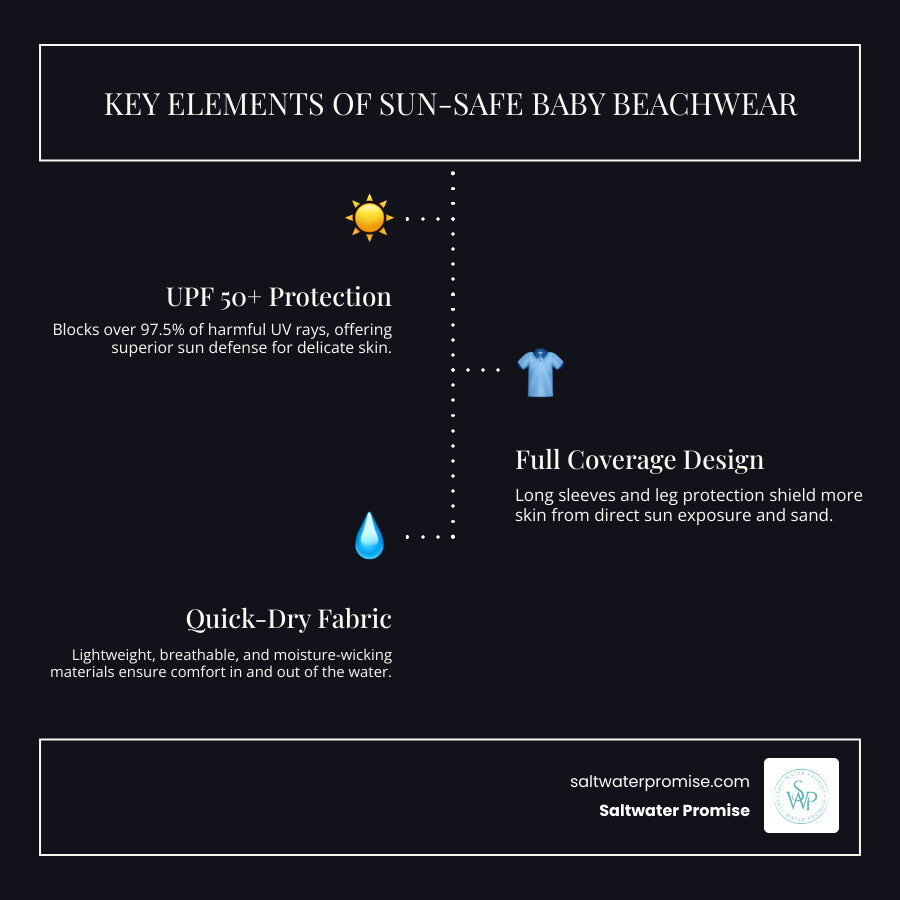
Key Feature to Look For: UPF 50+ protection, which blocks more than 97.5% of harmful UV rays
Planning your baby’s first beach trip can feel overwhelming. Between worrying about sun exposure, finding comfortable clothing that actually stays on, and dealing with sandy diaper changes, there’s a lot to think about. The good news? The right baby beach wear makes everything easier.
Unlike regular clothing, proper baby beach wear is made from quick-drying, lightweight materials like recycled nylon or polyester blends. These fabrics are breathable, moisture-wicking, and most importantly, offer built-in sun protection through a UPF 50+ rating. Regular cotton clothes simply can’t provide this level of protection, and they become heavy and uncomfortable when wet.
At Salt Water Promise, we’re a coastal lifestyle brand born in Indian Rocks Beach, Florida, dedicated to protecting the beaches we love. We help families find eco-conscious baby beach wear and coastal essentials that keep little ones safe while supporting ocean conservation.
The Ultimate Sun Shield: Why UPF Protection is Non-Negotiable
When it comes to our little ones, sun protection isn’t just a recommendation—it’s a non-negotiable. A baby’s skin is far more delicate and susceptible to sun damage than an adult’s. Even a single sunburn in childhood can significantly increase the risk of skin cancer later in life. That’s why choosing the right baby beach wear with superior sun protection is paramount for any beach or pool outing. We believe in providing the best defense against harmful UV rays so your family can enjoy the sun safely.
What is UPF and Why Does it Matter for Babies?
You’ve probably heard of SPF (Sun Protection Factor) for sunscreen, but for clothing, we talk about UPF, or Ultraviolet Protection Factor. While SPF measures how long it takes for UV-exposed skin to redden when using sunscreen, UPF measures how much of the sun’s UVA and UVB radiation a fabric blocks. This is crucial for babies because their skin is so sensitive, and they often can’t have sunscreen applied until they are at least six months old. Even then, clothing provides a more consistent and reliable barrier.
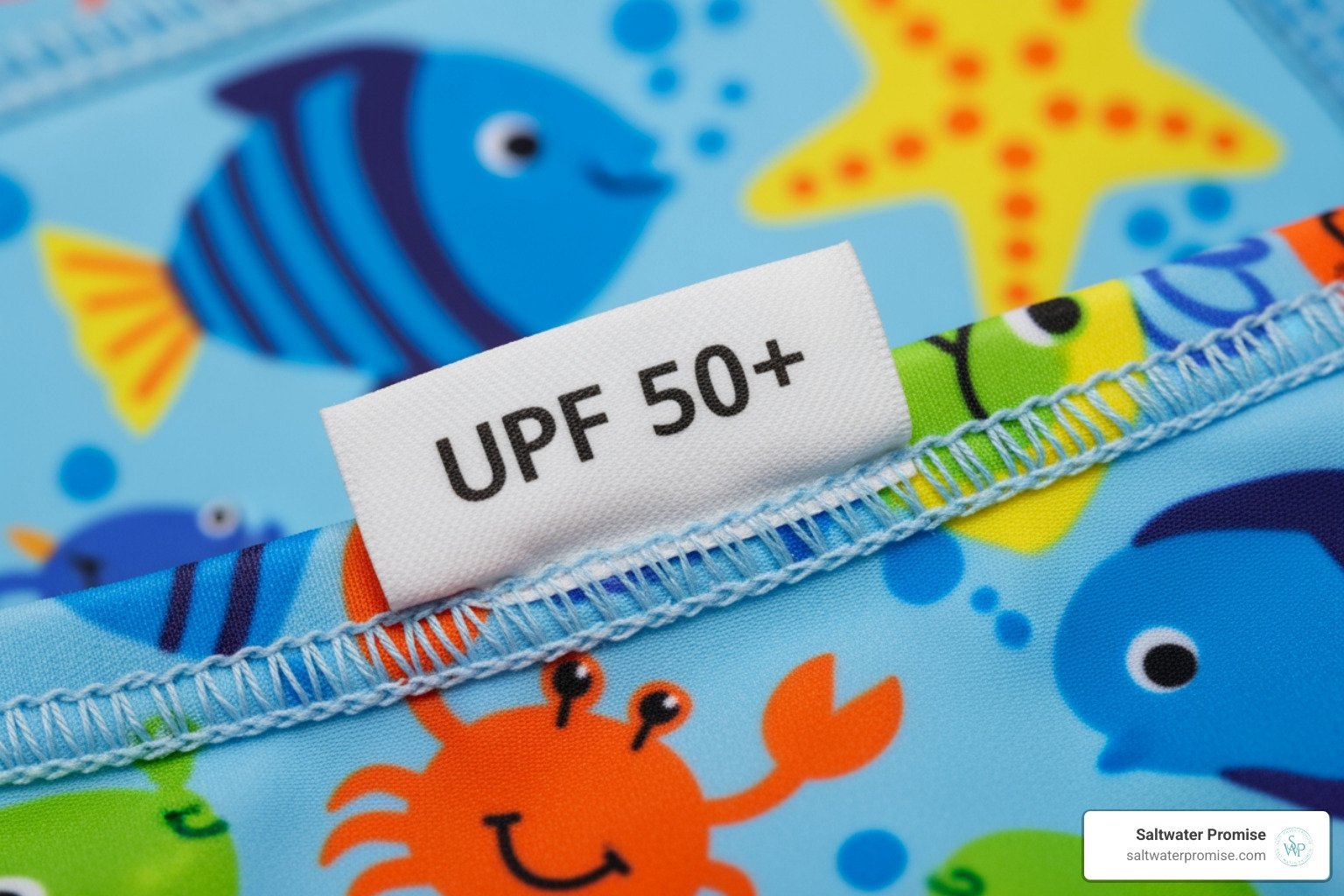
A UPF 50+ rating, like the one we prioritize in our recommended baby beach wear, is the highest possible and means that the fabric blocks more than 97.5% of harmful UV rays. This level of protection comes from the fabric’s weave, density, and sometimes special treatments. Unlike applying sunscreen, which needs frequent reapplication, UPF clothing offers continuous protection for the areas it covers. This makes it an incredibly effective tool in preventing sunburn and reducing long-term skin damage for your baby. When we talk about sun-safe swimwear, UPF 50+ is the gold standard.
The Power of a Rashguard
One of the most essential pieces of baby beach wear is the rashguard. More than just a stylish top, a rashguard is a superhero for sun protection. Its primary benefit is providing extensive coverage, typically with long sleeves and a high neck, effectively shielding large portions of your baby’s delicate skin from the sun’s harsh rays. Many rashguards, including those designed for babies, come with a UPF 50+ rating, giving parents peace of mind that their little one is well-protected.
Beyond sun protection, rashguards offer other practical advantages. Their quick-drying material is perfect for active little ones, preventing chafing and discomfort that can arise from wet fabric. They also provide a barrier against sand, which can be irritating, and can even offer a slight layer of warmth for cooler water or windy conditions. Think of them as a versatile base layer for any water adventure. For comfort and versatility, consider options like our Saltwater Promise Toddler Short Sleeve Tee Y-00005 which combines comfort with a protective design.
Choosing the Perfect Baby Beach Wear: Materials, Fit, and Style
Selecting the ideal baby beach wear involves more than just picking out the cutest print (though that’s certainly part of the fun!). We look for items that prioritize comfort, durability, and ease of use, ensuring your little one can splash and play without fuss. From the materials that touch their skin to the features that make changing a breeze, every detail matters.
The Best Materials for Tiny Swimmers
The fabric of your baby’s swimwear is key to their comfort and protection. We always recommend materials specifically designed for water activities.
- Nylon and Polyester: These synthetic fibers are champions for swimwear. They are naturally quick-drying, durable, and resistant to chlorine and saltwater. Many high-quality baby swimwear brands use these materials for their longevity and performance.
- Elastane (Spandex/Lycra): Often blended with nylon or polyester, elastane provides the stretch necessary for a comfortable, snug fit that allows for unrestricted movement. This stretch also helps the garment retain its shape, even after countless dips in the pool or ocean.
- Recycled Materials: As part of our commitment to healthy oceans, we are huge proponents of eco-friendly choices. Many brands are now incorporating recycled nylon or polyester into their swimwear, which is a fantastic step towards sustainability. This means your baby can enjoy their beach day in gear that protects them and the planet. Look for swimwear made from recycled materials with UPF 50+ protection that is also breathable, lightweight, and moisture-wicking.
- Breathable, Lightweight, and Moisture-Wicking: These features are essential for preventing overheating and keeping your baby comfortable even on the warmest days. Fabrics that wick away moisture help keep their skin dry, reducing the risk of chafing and discomfort.
Here’s a quick comparison of swimwear fabric versus regular clothing for beach use:
| Feature | Swimwear Fabric (Nylon/Polyester/Elastane) | Regular Clothing (Cotton) |
|---|---|---|
| Sun Protection | High (often UPF 50+) | Low (typically UPF 5-7 when dry, less when wet) |
| Drying Time | Very fast | Slow |
| Weight when Wet | Stays lightweight | Becomes heavy and uncomfortable |
| Comfort | Stretchy, breathable, reduces chafing | Can cling, chafe, and get cold when wet |
| Durability | Resistant to chlorine/saltwater | Can degrade quickly with chlorine/saltwater exposure |
Key Features for Comfort and Easy Diaper Changes
We know that happy baby means happy parents, and part of that happiness comes from practical design. When choosing baby beach wear, look for features that simplify life at the beach:
- Zippers: A full-length zipper on a one-piece rashguard makes it incredibly easy to get on and off, especially when your baby is wet or sandy. Look for chin guards to prevent pinching.
- Snaps at Crotch: For one-piece swimsuits or rashguards, snaps at the crotch are a game-changer. They allow for quick and easy diaper changes without having to remove the entire suit, saving you time and hassle. Some suits even feature both a front zipper and crotch poppers for ultimate convenience.
- Stretchy Fabric: As mentioned, elastane blends provide crucial stretch, ensuring the suit moves with your baby, not against them. This is vital for comfort and freedom of movement.
- Flatlock Seams: These seams lie flat against the skin, reducing the risk of irritation and chafing, which is particularly important for sensitive baby skin.
Fun in the Sun: Popular Styles and Prints
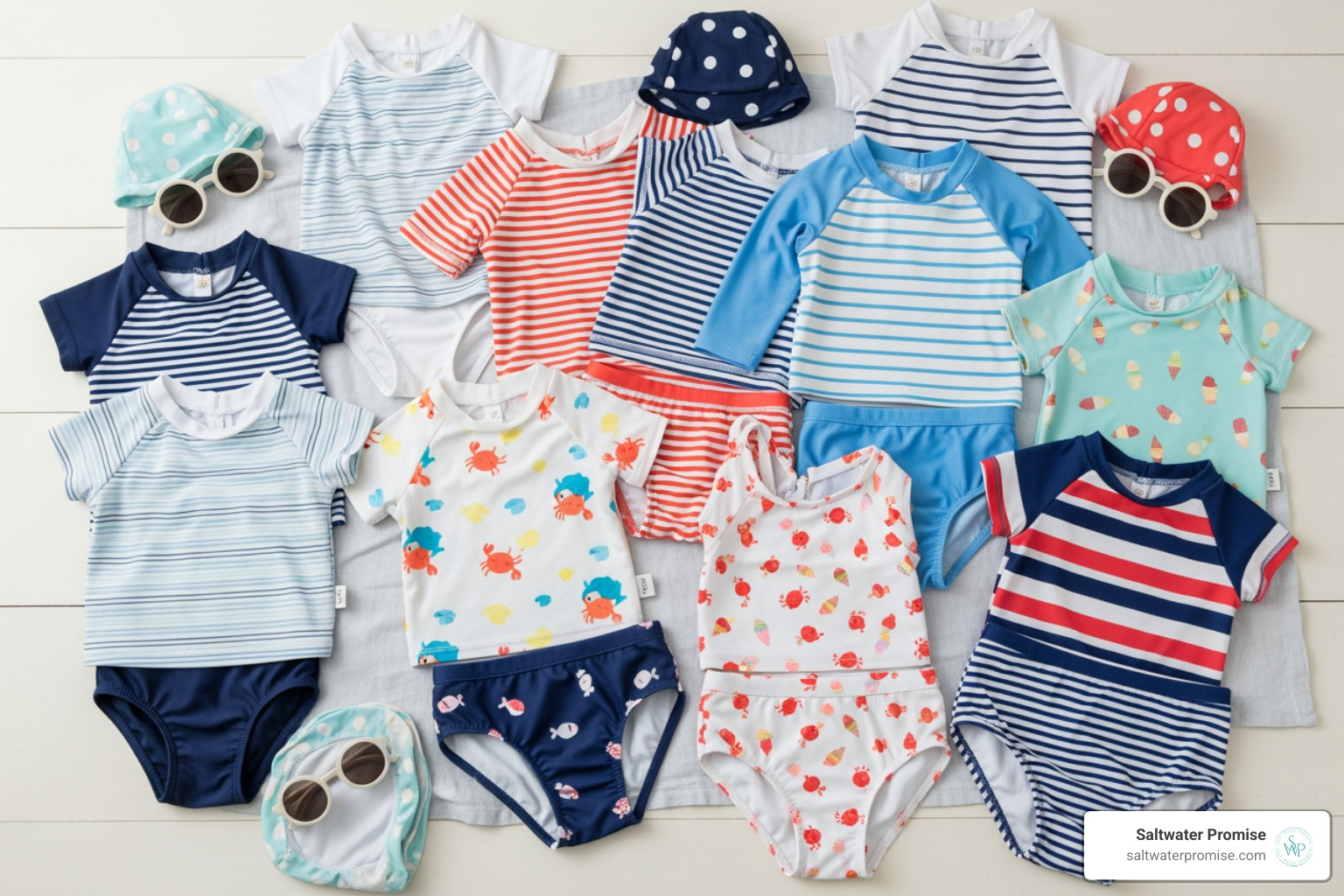
While functionality is key, we also love seeing babies express their adorable personalities through their baby beach wear! The market offers a delightful array of styles and prints:
- One-Piece Swimsuits: A classic choice, offering excellent coverage and often featuring playful designs.
- Two-Piece Sets: These can include a rashguard top with swim bottoms or a bikini-style top with bottoms. They offer flexibility for mixing and matching and can be easier for potty training toddlers.
- Boardshorts: For little boys (and sometimes girls!), boardshorts are a comfortable and casual option, often paired with a rashguard.
- Prints Galore: From vibrant lemon prints to classic nautical themes, playful animal prints, and bold geometric patterns, there’s a style to suit every taste. We love seeing our little ones in bright, cheerful prints that reflect the joy of a day by the sea. For casual coastal style, check out our Saltwater Promise Toddler Short Sleeve Tee Y-00001, perfect for beachside strolls.
Beyond the Swimsuit: Total Beach Comfort and Safety
While high-quality baby beach wear is your first line of defense, a truly successful beach day for your little one involves a holistic approach to comfort and safety. We’re talking about everything from essential accessories to creating a cozy, shaded haven where they can relax and recharge.
Essential Accessories for Sun and Sand
Don’t let the swimwear do all the work! These accessories complete your baby’s beach ensemble and ensure maximum protection and enjoyment:
- Wide-Brimmed Sun Hats: A hat is crucial for protecting your baby’s face, neck, and ears from direct sun exposure. Look for hats with a wide brim that fully shades these areas, and preferably one with a chin strap to keep it securely in place, even during playful gusts of wind.
- UV-Blocking Sunglasses: Just like their skin, your baby’s eyes are sensitive to UV rays. Sunglasses specifically designed for infants and toddlers with 100% UV protection are a smart investment.
- Water Shoes: Hot sand, sharp shells, or rough surfaces near the water can hurt tiny feet. Water shoes provide protection and traction, allowing your baby to explore more comfortably and safely.
- Swim Diapers: These are a must for preventing accidents in the water. Unlike regular diapers, swim diapers are designed not to swell up when wet, containing messes without absorbing water.
- Hooded Towels: After a splash, a soft, absorbent hooded towel is perfect for quickly drying off and keeping your baby warm. It’s also great for a cozy wrap during naptime in the shade. For extra warmth and comfort on cooler beach days, consider layering with options like our Saltwater Promise Youth Heavy Blend Hoodie Y-00011.
Creating a Safe and Comfortable Beach Zone
The beach is a sensory wonderland for babies, but it can also be overwhelming. Setting up a dedicated “baby zone” can make all the difference:
- Beach Tent or Umbrella: Shade is your baby’s best friend at the beach. A pop-up beach tent or a large umbrella provides essential protection from direct sunlight, creating a cool retreat for naps, feeding, and playtime. Babies under six months should be kept out of direct sunlight entirely.
- Hydration with Water and Cool Snacks: Babies can dehydrate quickly, especially in warm weather. Offer plenty of breast milk, formula, or sips of water (for babies six months and older). Cool, pureed fruit or small, soft snacks can also help keep them refreshed.
- Reapplying Sunscreen: Even with UPF clothing, any exposed skin (like hands, feet, and face) needs sunscreen. Apply a broad-spectrum, water-resistant sunscreen with an SPF of 30 or higher liberally and reapply every two hours, or more frequently if your baby is sweating or playing in the water.
- Watching for Overheating: Keep a close eye on your baby for signs of overheating, such as flushed skin, rapid breathing, or unusual fussiness. Take frequent breaks in the shade, offer fluids, and cool them down with a damp cloth if needed.
Frequently Asked Questions about Baby Beach Wear
We understand that parents often have many questions about how to best protect and prepare their little ones for beach adventures. Here, we address some of the most common inquiries about baby beach wear.
How should I wash my baby’s swimwear to make it last?
Proper care is essential to maintain the protective qualities and longevity of your baby’s swimwear. We want your eco-conscious choices to last!
- Rinse Immediately: After each use, rinse the swimwear thoroughly in fresh, cool water. This removes chlorine, saltwater, and sand, which can degrade the fabric over time.
- Hand Wash Preferred: While some swimwear is machine washable on a delicate cycle, hand washing in cold water with a mild, baby-friendly detergent is often best. Gently squeeze out excess water; do not wring, as this can damage the fabric’s elasticity and shape.
- Air Dry: Always air dry swimwear in the shade, away from direct sunlight or high heat. Lay it flat or hang it on a non-metal hanger. High heat from dryers or direct sun can break down the fabric fibers and reduce the effectiveness of UPF protection.
- Avoid Harsh Chemicals: Steer clear of bleach, fabric softeners, and harsh stain removers, as these can damage the material and its sun-protective properties.
By following these simple steps, you’ll help ensure your baby’s baby beach wear remains vibrant, protective, and comfortable for many splashes to come.
What’s the difference between a regular swimsuit and a sun-safe suit?
The key differences between a regular swimsuit and a sun-safe suit, especially for babies, lie in their primary purpose and protective features.
- UPF Rating: This is the most significant distinction. Sun-safe suits are specifically designed with a high UPF rating (typically UPF 50+), meaning the fabric itself provides robust protection against UV radiation. Regular swimsuits may offer some protection, but it’s often minimal and not certified, similar to wearing a regular T-shirt in the sun.
- Coverage Area: Sun-safe suits, like rashguards and full-body swimsuits, prioritize maximum skin coverage. They often feature long sleeves, high necks, and sometimes even leg coverage, minimizing exposed skin. Regular swimsuits, particularly bikinis or sleeveless one-pieces, offer less coverage, leaving more skin vulnerable to the sun.
- Material Density and Weave: Fabrics used in sun-safe suits are often denser or have a tighter weave specifically engineered to block UV rays. While regular swimsuits use similar materials like nylon and elastane, their construction might not be optimized for sun protection.
- Sun Protection Focus: A sun-safe suit’s explicit focus is sun protection, reducing the need for sunscreen on covered areas. Regular swimsuits are primarily designed for swimming and style, with sun protection being a secondary or non-existent consideration.
For babies, we always recommend opting for certified sun-safe baby beach wear with a UPF 50+ rating to provide the best defense against sunburn.
At what age can a baby wear a swimsuit and go to the beach?
Introducing your baby to the beach can be a wonderful experience, but it requires careful consideration of their age and sun exposure limits.
- Babies Under 6 Months: Pediatricians generally advise keeping babies under six months out of direct sunlight entirely. Their skin is extremely thin and lacks sufficient melanin, making them highly susceptible to sunburn. If you do bring an infant this young to the beach, ensure they are always in deep shade (under a beach tent or umbrella), dressed in full-coverage UPF 50+ baby beach wear, and wearing a wide-brimmed hat. We emphasize shade as crucial for this age group.
- Babies 6 Months and Older: Once your baby is six months old, you can begin to apply a small amount of broad-spectrum, water-resistant sunscreen (SPF 30 or higher) to exposed skin. However, clothing remains the best form of sun protection. Continue to dress them in UPF 50+ swimwear, a wide-brimmed hat, and sunglasses. Limit their time in direct sun, especially during peak hours (10 a.m. to 4 p.m.), and ensure frequent breaks in the shade.
Always consult your pediatrician for personalized advice regarding your baby’s sun exposure and beach readiness, especially if they have any underlying health conditions. Our goal is to help you enjoy those precious beach memories safely!
Conclusion: Making a Splash with Purpose
As we’ve explored, equipping your little one with the right baby beach wear is about so much more than just looking cute—it’s about ensuring their safety, comfort, and allowing them to fully accept the joy of coastal living. We’ve highlighted the undeniable importance of UPF 50+ protection, the benefits of specialized materials like recycled nylon, and the practical features that make beach days easier for parents and happier for babies.
At Salt Water Promise, we believe that every splash, every sandy toe, and every sun-kissed smile at the beach is a moment to cherish. But these moments also come with a responsibility: to protect the very oceans and coastlines that inspire them. When you choose eco-conscious baby beach wear, you’re not just making a practical decision for your child; you’re making a promise to the planet. You’re supporting sustainable practices and joining us in our mission to promote clean beaches, healthy oceans, and thriving marine ecosystems.
So, as you prepare for your next family adventure by the sea, remember to prioritize sun protection, choose comfortable and durable gear, and consider the positive impact of your choices on our precious marine life. Let’s make memories, wear the wave, and be the change, ensuring that the beauty of our oceans can be enjoyed by generations to come.
Shop our eco-conscious youth collection and join us in making a difference.


