


10 Best Sustainable Apparel Brands for Ocean Conservation
What Defines an Apparel Brand as ‘Ocean-Friendly’ or ‘Ocean Conservation’ Focused?
To understand what makes a clothing brand truly ocean-friendly, we must look past coastal aesthetics and examine its operational footprint. A genuine ocean conservation brand does not merely print marine graphics on conventional garments; it integrates marine stewardship into its business model, supply chain, and corporate philanthropy.
At its core, an ocean-friendly brand actively supports marine research, physical beach cleanups, and habitat restoration. These brands view their products as vehicles for environmental funding and education. Rather than treating sustainability as a marketing department’s afterthought, they commit to plastic neutrality—meaning they actively measure their plastic footprint and fund the removal of an equivalent or greater amount of plastic waste from nature.
Furthermore, true ocean-friendly brands prioritize ethical manufacturing processes that protect aquatic ecosystems from the start. Conventional textile production is notoriously destructive; traditional dyeing facilities often dump untreated, toxic wastewater directly into local rivers, turning waterways the color of the seasonal dye and introducing carcinogens into the water table. Ocean-friendly brands prevent this ecological damage by utilizing closed-loop water recycling systems and non-toxic, carcinogen-free dyes. To explore how these practices protect our waterways, you can learn more about ocean-friendly clothing and discover where to buy save the ocean apparel.
Third-Party Certifications That Prove Sustainability
Because “eco-friendly” and “sustainable” are not legally regulated terms, greenwashing is rampant in the fashion industry. The most reliable way for consumers to verify a brand’s claims is to look for reputable, independent third-party certifications. When evaluating coastal wear, look for these key credentials in a brand’s website footer or product hangtags:
- Certified B Corporation): This status indicates that a company has undergone a rigorous assessment of its social and environmental performance. Qualifying scores start at 80 points, demonstrating a high standard of verified accountability.
- Global Recycled Standard (GRS) & Control Union: These certifications verify the exact recycled content of a garment and track the material from its source to the final product, ensuring full supply chain traceability.
- OEKO-TEX® STANDARD 100: This independent testing system ensures that the finished textile is completely free from harmful levels of toxic substances, including bisphenols (BPA) and per- and polyfluoroalkyl substances (PFAS), which are commonly found in cheap synthetic swimwear.
- Global Organic Textile Standard (GOTS): The gold standard for organic fibers, GOTS ensures that crops like cotton are grown without synthetic pesticides or toxic fertilizers, while also auditing the manufacturing facilities for fair labor standards and safe working conditions.
- Fair Trade Certified: This certification guarantees that the physical garments were sewn in factories that pay living wages, provide safe working conditions, and respect workers’ rights.
What Eco-Friendly Materials Are Commonly Used in Coastal Wear?
The transition away from virgin, petroleum-based synthetics is the most critical step a brand can take to protect marine life. Traditional polyester, nylon, and acrylic are forms of plastic; manufacturing them consumes fossil fuels, and washing them releases millions of synthetic microplastics into our waterways.
To combat this, innovative brands are shifting toward recycled materials and regenerative natural fibers. The table below compares the primary materials used in modern, sustainable coastal wear:
| Material | Durability | Stretch & Flexibility | Environmental Impact | Best Used For |
|---|---|---|---|---|
| Recycled Nylon (Econyl / Ghost Nets) | High | Excellent (when blended with elastane) | Diverts ocean waste; reduces virgin plastic production | Active swimwear, rash guards, surfsuits |
| Repreve® RPET (Recycled Polyester) | High | Moderate | Keeps plastic bottles out of landfills and oceans | Moisture-wicking sun shirts, boardshorts |
| Organic Cotton | Moderate to High | Low (natural stretch) | Eliminates toxic agricultural runoff; biodegradable | Casual coastal dresses, beach tees, hoodies |
| Hemp | Extremely High | Low | Low water usage; requires no pesticides; biodegradable | Lightweight beach trousers, breezy summer shirts |
By choosing these materials, conscious consumers directly participate in a circular economy. To understand the broader impact of these textile innovations, you can read about the recycled material fashion revolution.
Recycled Fishing Nets and Ocean Plastics
Abandoned, lost, or discarded fishing gear—often referred to as “ghost nets”—represents one of the most lethal forms of ocean plastic, trapping marine life and destroying coral reefs. Sustainable activewear brands are tackling this issue by partnering with ocean cleanup collectives to recover these nets and chemically recycle them into high-quality nylon yarn, such as Econyl or proprietary blends like SeaButter™ and SeaStorm™.
This process does not just clean up the ocean; it also reduces the carbon footprint of nylon production by up to 80% compared to virgin petroleum-based nylon. Brands can even quantify this impact for consumers: for example, purchasing a single sustainable sports bra can divert approximately 0.19 lbs of abandoned fishing nets from marine habitats, while a pair of activewear shorts can reclaim 0.27 lbs.
Repreve® RPET and Recycled Polyester
Repreve® is one of the world’s leading brands of recycled performance fiber, manufactured by Unifi, Inc. It is created by collecting post-consumer plastic bottles, washing them, chopping them into flakes, melting them into resin pellets, and spinning them into durable, moisture-wicking polyester yarn.
The environmental math is impressive: it takes approximately 18 recycled plastic bottles to manufacture a single high-performance coastal t-shirt. By utilizing Repreve® RPET, brands give a second life to existing waste, keeping plastic out of marine ecosystems and utilizing significantly less water and energy during manufacturing than virgin polyester.
Organic Cotton, Hemp, and Plant-Based Fibers
While recycled synthetics are ideal for high-performance water sports, casual coastal wear benefits immensely from natural, plant-based fibers. Conventional cotton farming is incredibly resource-intensive, consuming massive amounts of water and utilizing highly toxic chemical pesticides that run off into local rivers and eventually pollute coastal estuaries. GOTS-certified organic cotton eliminates these synthetic chemicals entirely, preserving soil health and protecting aquatic life from toxic agricultural runoff. To see how these natural fibers are styled, you can explore sustainable coastal living clothing.
Hemp is another environmental powerhouse for coastal wear. It requires a fraction of the water that cotton needs, grows rapidly without pesticides, and produces a highly durable, breathable fabric. Hemp-based fabrics offer a lighter environmental footprint than traditional linen while maintaining that classic, breezy coastal texture.
For activewear, advanced brands are developing plant-based fabrics that eliminate synthetic microplastic shedding altogether, ensuring that even when the garment eventually wears out, it can safely return to the earth.
Which Popular Brands Are Leading the Way in Ocean Conservation and Coastal Wear?
The sustainable fashion landscape in 2026 features a diverse array of brands combining effortless coastal style with active marine advocacy. These industry leaders prove that you do not have to sacrifice performance features—such as UPF 50+ sun protection, quick-dry fabrics, and secure, double-lined designs—to protect the planet.
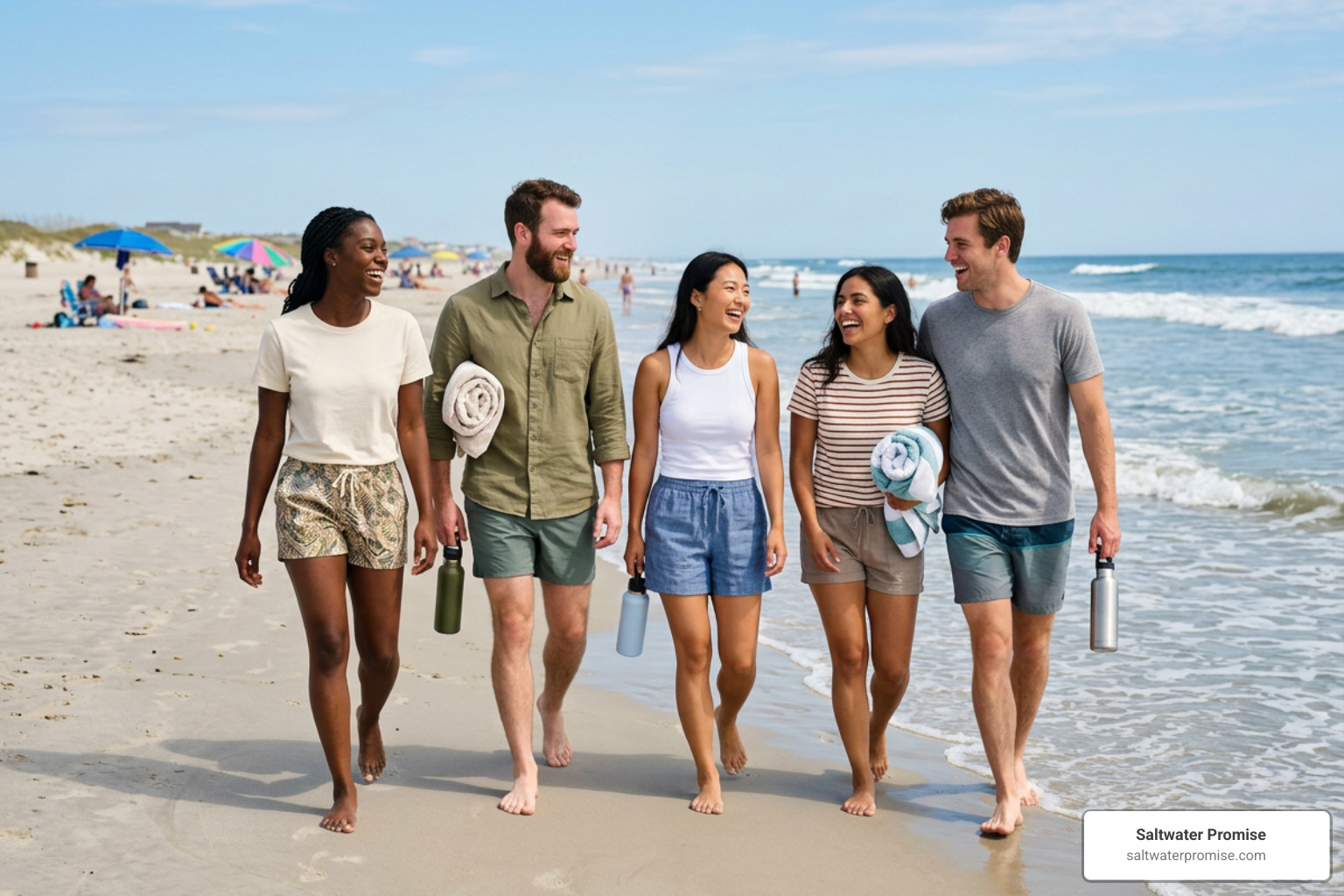
To help you find the perfect fit for your lifestyle, you can explore ocean-inspired fashion and sustainable apparel or review our curated list of the top 10 sustainable brands leading the charge below.
1. Salt Water Promise
At Salt Water Promise, our commitment to protecting coastlines, oceans, and marine life is the driving force behind everything we do. We are more than a beach clothing brand—we are a dedicated movement. Rooted in a deep love for the sea and inspired by the shared responsibility we all have to preserve it, we design eco-conscious beach apparel for women, men, and children that blends effortless coastal style with a deeper message of conservation.
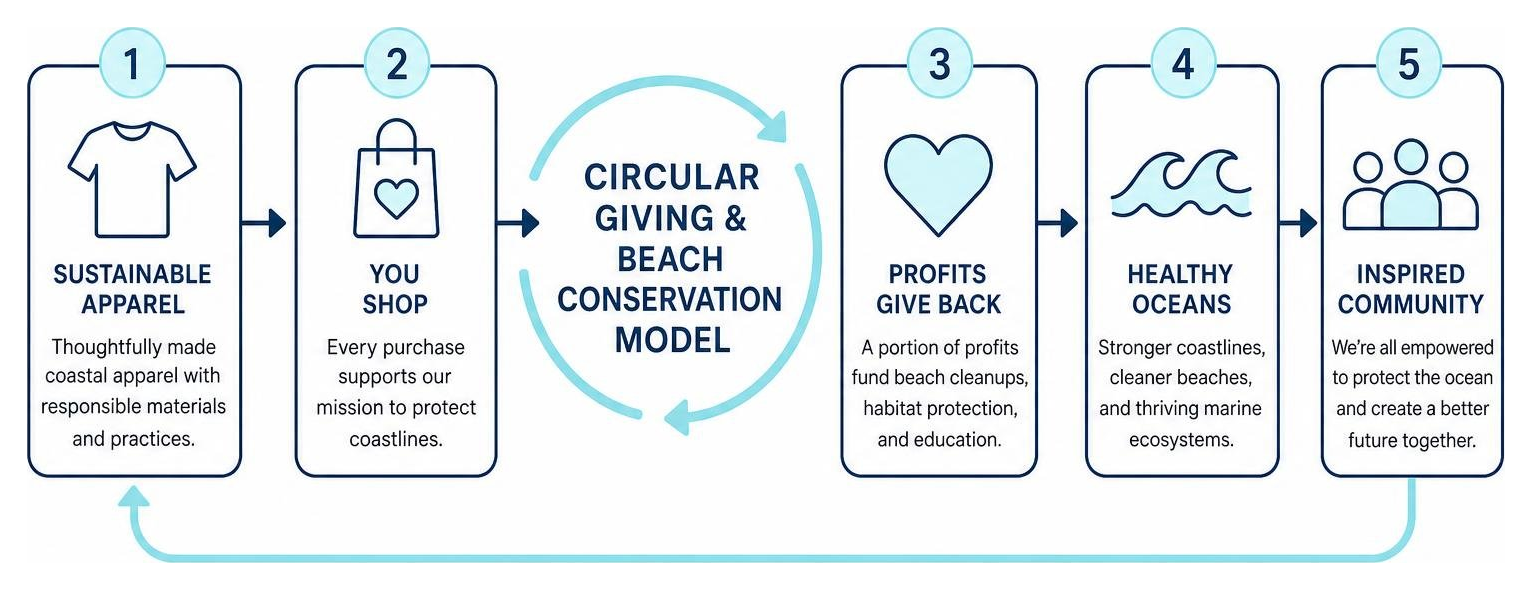
Our apparel is engineered for real life at the beach. We create comfortable, versatile clothing designed to move seamlessly from shoreline adventures to laid-back coastal living. But our mission extends far beyond the fabric. We actively support beach preservation efforts, fund marine awareness initiatives, and use our platform to educate and empower people of all ages to reduce waste and respect fragile coastal ecosystems. When you choose our apparel, you can wear your heart on your fin with save the ocean gear, knowing your purchase directly supports clean beaches and thriving marine life.
2. Certified B Corp Pioneers
The outdoor apparel industry has been heavily influenced by pioneering brands that prioritize corporate responsibility. Chief among these are Certified B Corp leaders who continuously prove that corporate profitability and environmental activism can coexist.
These dedicated brands push the boundaries of material innovation, utilizing advanced recycled polyester made from plastic bottles and transitioning their technical coastal wear to utilize materials made entirely from 100% recycled discarded fishing nets. Furthermore, many of these pioneers commit to donating a portion of their total sales to grassroots environmental groups globally, directly funding localized ocean conservation and habitat restoration projects.
3. Science-Inspired Marine Advocacy Brands
For those who want their clothing to spark educational conversations, science-inspired advocacy initiatives offer a unique blend of style and substance. These programs focus on high-performance, UPF 50+ sun-protective coastal wear designed specifically for life in, on, and around the water.
What sets these advocacy designs apart is their direct-impact model. Patterns in these collections are often inspired by a specific marine species or conservation cause—such as Green Abalone restoration, Whale Shark research, or Invasive Lionfish management. To ensure their impact is tangible, participating brands donate a percentage of sales from each specific collection directly to verified marine research and education partners, such as the Center for Whale Research. These purchases have donated hundreds of thousands of dollars to marine science, and every garment shipped comes with educational resources to teach the buyer about the marine ecosystem they are helping to protect.
4. Ocean Waste Recovery Collectives
Innovative design collectives are redefining high-performance athletic wear by directly linking individual purchases to measurable ocean cleanup metrics. These collectives design premium, timeless activewear and leggings utilizing advanced fabrics engineered from recycled nylon fishing nets and ocean plastic.
These initiatives make their environmental impact highly transparent by quantifying the exact weight of ocean waste recovered for each product (such as 0.19 lbs of fishing nets for an activewear bra and 0.27 lbs for workout shorts). By setting bold goals to collect tens of thousands of pounds of ocean waste and turn it into activewear, these collectives actively clean our waters. Additionally, they partner with verified carbon removal projects to ensure that every e-commerce delivery is completely carbon-neutral, matching high-performance athletic compression with deep ecological care.
5. Net-Positive Carbon Neutral Brands
For consumers looking to minimize their carbon footprint, net-positive carbon neutral initiatives are setting new standards for corporate responsibility. These forward-thinking brands do not just aim for carbon neutrality—they offset more than 100% of their measured greenhouse gas emissions, making their operations net-positive for the climate.
Their summer apparel and casual coastal wear are made using GOTS-certified organic cotton, non-toxic dyes, and plant-based materials, completely avoiding synthetic chemical pesticides and toxic dye runoff. Their commitment is backed by verified metrics, offsetting millions of pounds of greenhouse gases and physically removing tens of thousands of pounds of trash from the environment. They also utilize plant-based, compostable shipping bags and FSC-certified wood fiber product packaging to eliminate single-use plastics from their logistics.
6. Plastic-Neutral Swimwear Labels
Active water sports demand swimwear that stays secure during heavy movement while resisting the damaging effects of chlorine, saltwater, and sun exposure. Premium eco-conscious labels meet this demand by creating high-performance swimwear and wetsuits using GRS-certified recycled performance fabrics, consisting of 82% recycled nylon and 18% elastane.
To address the global plastic crisis, these labels partner with environmental waste recovery organizations like CleanHub. Through these partnerships, they fund the development of reliable waste management and collection systems in coastal communities across the global south, preventing plastic from entering the ocean in the first place. This allows them to achieve verified plastic neutrality while offering sleek, durable, and chlorine-resistant designs. To find options that fit your style, you can discover sustainable swimwear women actually want to wear.
7. Marine Research Funding Collections
Collaborative partnerships between lifestyle brands and scientific organizations have yielded some of the most impactful coastal wear collections on the market. A prime example is co-branded apparel collections created in partnership with OCEARCH, a prominent marine research organization.
These collections feature high-performance coastal wear, including moisture-wicking sun shirts and water-repellent hoodies designed with magnetic zippers to withstand harsh marine environments. To fund the scientific work behind the scenes, a significant portion of net sales from these co-branded collections goes directly to OCEARCH to support ocean research expeditions, shark tracking, and the protection of keystone marine species. Each performance shirt in these lines is crafted using fibers made from 18 recycled plastic bottles, seamlessly blending classic coastal style with active scientific support.
8. Circular and Durable Coastal Wear
True sustainability requires a shift away from cheap, disposable fashion toward high-quality garments built to last for years. Leading eco-conscious brands focus heavily on product longevity, social responsibility, and circular economy models.
These brands craft casual coastal wear using sustainable, low-impact fabric blends like hemp and organic cotton. Hemp is highly durable and naturally resistant to pests, making it an incredibly sustainable alternative to traditional linen. To prevent their clothing from ever reaching a landfill, these companies offer satisfaction guarantees and actively promote circularity. Similarly, many have launched peer-to-peer resale marketplaces, allowing customers to buy and sell pre-owned coastal styles in exchange for store credit, keeping high-quality garments in circulation longer.
9. Functional Surfwear Designers
For women who surf, paddleboard, or freedive, finding swimwear that can withstand intense wipeouts without shifting or chafing is a constant challenge. Specialized designers solve this by creating feminine, highly functional surfwear designed by women, for women.
These designers utilize recycled nylon and double-lined construction to create surfsuits, rash guards, and boardshorts with comfortable stretch fabrics rather than the stiff, rigid materials typical of traditional boardshorts. To complement their apparel, they offer a line of surf jewelry made from waterproof, hypoallergenic, and non-tarnish metals. These pieces are specifically designed to be worn continuously in saltwater without tarnishing, rusting, or causing skin irritation, offering a durable accessory for active coastal lifestyles.
10. Mangrove Restoration Apparel Initiatives
Mangrove forests are among the most critical ecosystems on Earth, acting as vital nurseries for marine life, protecting shorelines from erosion, and sequestering up to four times more carbon than terrestrial rainforests. Dedicated apparel brands focus their environmental giving heavily on coastal reforestation.
While these brands are known for casual, everyday coastal basics made from organic cotton, hemp, and Tencel, their primary mission is global reforestation. For every single item purchased, they commit to planting trees, with bold targets to plant millions of trees globally. A significant portion of these planting efforts is dedicated to restoring degraded mangrove ecosystems in coastal regions like Madagascar and Indonesia, directly rebuilding marine habitats and supporting local coastal communities.
How Can Consumers Verify a Brand’s Sustainability Claims and Avoid Greenwashing?
As eco-conscious shopping grows in popularity, fast-fashion giants have rushed to capitalize on the trend. Many of these brands engage in greenwashing—the practice of making vague, misleading, or unsubstantiated claims to appear environmentally friendly. For example, major fast-fashion giants produce billions of garments annually, manufacturing hundreds of millions of items every day. Promoting a minor “conscious” collection or a garment recycling program cannot offset the massive environmental toll of this level of overproduction.
To protect yourself from greenwashing, look for these key indicators of genuine environmental stewardship:
- Vague vs. Specific Claims: Avoid brands that use broad terms like “green,” “eco-friendly,” or “natural” without providing specific details. Genuinely sustainable brands will state exactly what percentage of the garment is made from recycled materials and name the specific certifications held.
- Life Cycle Assessment (LCA) Transparency: Be skeptical of brands that publish self-regulated sustainability scores. Many fast-fashion LCAs omit critical environmental impacts, such as water usage, eutrophication, or land occupation during raw material production.
- Textile Traceability: Look for brands that utilize traceable, branded fibers like Econyl, Repreve®, or Tencel, which are independently audited to guarantee their recycled or sustainable origin.
Look for Public Impact Reports and Supply Chain Transparency
A truly sustainable apparel brand has nothing to hide. Honest companies publish detailed annual impact reports that outline their environmental metrics, carbon footprint, and supply chain details.
When researching a brand, check if they publish a complete list of their manufacturing facilities and the results of independent, third-party labor audits. A transparent brand will openly share their progress toward environmental goals—including water savings, waste diversion, and greenhouse gas reductions—rather than hiding behind vague corporate promises.
Look for Active Non-Profit Partnerships and Give-Back Models
Many brands claim that “a portion of proceeds” goes to charity, but this language is often a red flag for marketing-driven giving. Genuinely committed brands will state the exact percentage of sales or net profits that are donated (e.g., “5% of sales” or “10% of net profits”) and name the specific non-profit partners receiving the funds.
Furthermore, look for brands whose partnerships are active, multi-year commitments. These companies often co-sponsor local beach cleanups, fund specific scientific research papers, or provide professional volunteers to support their non-profit partners in the field. To see how these community-driven efforts look in action, you can learn more about beach clean up initiatives.
Choose Circularity and Longevity Over Fast Trends
The most sustainable garment is the one already in your closet. When you do need to purchase new coastal wear, prioritize brands that design for circularity and long-term durability.
Look for companies that offer garment take-back programs, lifetime repair guarantees, or integrated peer-to-peer resale marketplaces. Choosing versatile, high-quality, and reversible designs (which effectively offer two styles in a single garment) allows you to maximize your wardrobe while reducing overall consumption. Buying fewer, better-made items is always superior to buying cheap, disposable alternatives.
Frequently Asked Questions About Ocean Conservation Clothing
What is the difference between plastic-neutral and carbon-neutral apparel?
While both certifications represent a commitment to environmental responsibility, they target different aspects of a brand’s footprint:
- Carbon-Neutral: This means a brand measures its total greenhouse gas emissions (from manufacturing, shipping, and operations) and offsets that footprint by purchasing verified carbon credits. These credits fund projects that reduce or remove carbon from the atmosphere, such as reforestation or renewable energy installations.
- Plastic-Neutral: This means a brand calculates the total weight of plastic used in its products and packaging, then funds waste recovery organizations (like CleanHub or Ocean Blue Project) to collect and recycle an equivalent weight of plastic waste from nature, preventing it from entering marine ecosystems.
How do I wash recycled synthetic swimwear to prevent microplastic shedding?
Recycled polyester and nylon are excellent for performance water sports, but they can still shed tiny synthetic microplastics when washed. To minimize this impact and extend the lifespan of your swimwear, follow these care tips:
- Use a Specialized Wash Bag: Wash your synthetic garments inside a microplastic-catching wash bag (such as a Guppyfriend bag). This bag captures the tiny fibers shed during the cycle, preventing them from entering the wastewater system.
- Wash Cold on a Gentle Cycle: High heat and aggressive agitation increase fiber friction, causing more microplastics to break off. Always wash your swimwear in cold water on a delicate cycle.
- Use Liquid Detergent: Powder detergents are abrasive and can wear down synthetic fibers faster. Opt for a mild, eco-friendly liquid detergent.
- Hang Dry: Never place recycled synthetic swimwear in a tumble dryer. The high heat degrades the elastane fibers, ruining the stretch and shortening the garment’s lifespan. Instead, hand wash in cold water and hang to dry away from direct sunlight.
Are there budget-friendly options for sustainable coastal wear?
Yes. While high-quality, ethically manufactured apparel carries a higher upfront cost than fast fashion, you can build an eco-friendly coastal wardrobe on a budget with these practical strategies:
- Choose Reversible Designs: Many sustainable swimwear brands offer reversible bikinis and one-pieces. This gives you two distinct style options for the price of one garment, cutting your cost-per-wear in half.
- Utilize Brand Resale Programs: Many sustainable coastal brands host peer-to-peer resale marketplaces on their websites, allowing you to purchase gently used, high-quality garments at a fraction of their original retail price.
- Focus on High-Quality Basics: Instead of buying multiple cheap beach cover-ups, invest in a single, high-quality organic cotton or hemp dress that can transition seamlessly from a beach cover-up to a casual dinner outfit.
Conclusion
Every purchasing decision we make is a direct vote for the kind of world we want to live in. By choosing to support certified, transparent apparel brands that utilize recycled ocean plastics, source organic natural fibers, and actively fund marine research, we can turn everyday fashion choices into meaningful environmental action.
The health of our oceans depends on a collective shift away from disposable fast fashion toward a circular, respectful relationship with nature. We encourage you to seek out brands that hold themselves accountable to independent third-party standards, publish their environmental metrics, and actively stand for the preservation of our planet.

At Salt Water Promise, we invite you to join us in this commitment. Explore our collection of eco-conscious beach apparel, wear your values with pride, and stand with us to protect our beautiful coastlines for generations to come.
Wear the wave. Be the change.


